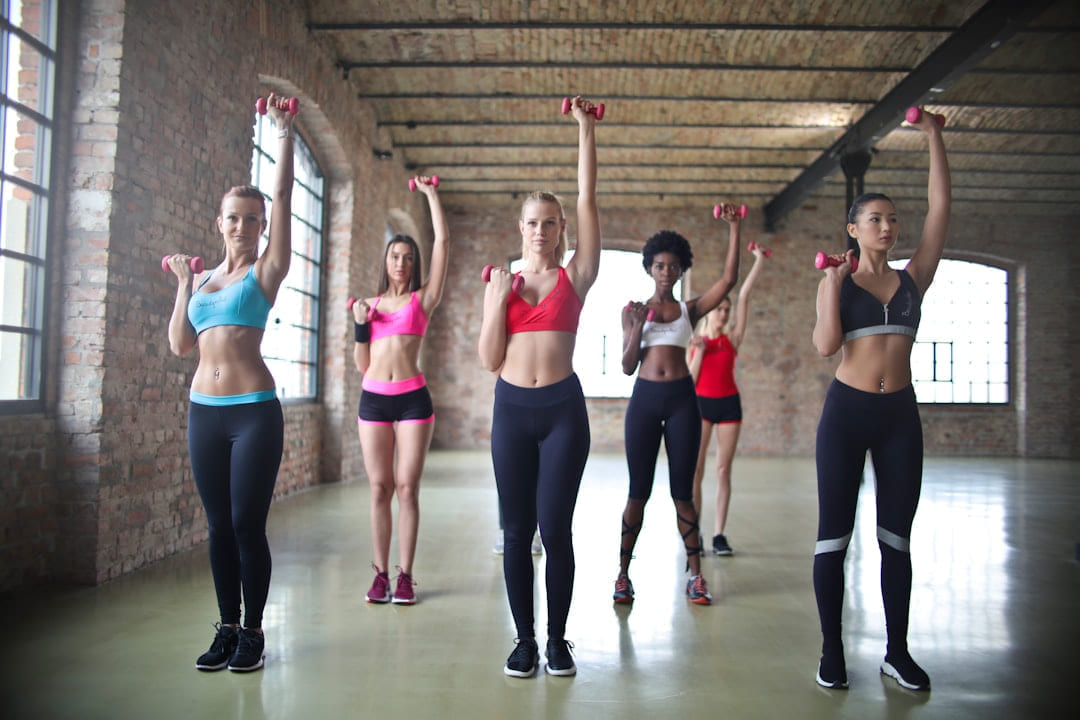
30-Minute can be easier to approach when you start with a few practical basics.
- Squats (3 sets of 10-12): Stand with your feet shoulder-width apart, toes slightly outward. Lower your hips as if sitting in a chair, keeping your back straight.
- Push-ups (3 sets - modify as needed): Start in a plank position with your hands shoulder-width apart. Lower your chest towards the floor, keeping your body in a straight line. *Modification:* If a full push-up is too challenging, do knee push-ups - keep your knees on the ground.
- Lunges (3 sets of 10-12 per leg): Step forward with one leg and lower your body until both knees are bent at 90 degrees. Keep your front knee behind your toes.
- Plank (3 sets - hold for 30-60 seconds): Start in a push-up position, but rest on your forearms instead of your hands. Keep your body in a straight line from head to heels.
- Glute Bridges (3 sets of 15-20): Lie on your back with your knees bent and feet flat on the floor. Lift your hips off the ground, squeezing your glutes at the top.
- Cool-down (5 minutes): Hold static stretches - hamstring stretch, quad stretch, triceps stretch - for 30 seconds each. *Consider checking out a video demonstration of this routine here: the recommendations below*
Your 30-Minute Workout FAQs
Let’s tackle some common questions. * What equipment do I need? Honestly, almost nothing. Your own bodyweight is the best tool you’ll need. Resistance bands are a super affordable and versatile addition if you want a little extra challenge - they’re fantastic for adding resistance to squats and lunges.
- How often should I work out? Starting out, 2-3 times per week is ideal. Give your body time to recover between workouts. As you get stronger, you can gradually increase the frequency.
- How do I warm up and cool down? A proper warm-up increases blood flow and prepares your muscles for exercise. A cool-down helps your muscles recover and reduces soreness. Focus on dynamic stretches before and static stretches after. A quick arm circle or leg swing is enough for a warm-up - don't overthink it.
- What if I can’t do a full push-up? Seriously, that’s perfectly okay! Modifications are your friend. Wall push-ups are a great starting point, and knee push-ups are a fantastic way to build strength gradually. Focus on maintaining good form - that’s more important than doing a lot of reps.
- How do I track my progress? This is a really important one. Don’t get hung up on the number on the scale. Instead, pay attention to how you feel. Are you able to do more reps? Are you holding a plank for longer? Are you feeling more energetic throughout the day? Those are all signs of progress.
- What if I don’t feel motivated? Let's be real, motivation comes and goes. Find a workout buddy - having someone to hold you accountable can make a huge difference. Track your progress in a notebook or a simple app - seeing those small wins can be really motivating. And, reward yourself (with something non-food related, of course!).
Form and Consistency: The Real Keys
Proper form is absolutely crucial. Incorrect form can lead to injuries, and it also reduces the effectiveness of the exercise. You can find plenty of visual guides and videos online to help you with proper form - the recommendations below. Remember, it’s better to do fewer reps with good form than many reps with poor form. And finally, remember that "Start Small, Build Momentum." Consistency is the key to long-term success. Even just 30 minutes, 2-3 times a week, will make a difference.
Pick the easiest win first
Most people get better results with 30-Minute Workouts: Beginner FAQs Answered when they narrow the decision to one real problem. That could be saving time, trimming cost, reducing friction, or making the routine easier to keep up.
This usually gets easier once you make a short list of priorities. A tighter list tends to produce better decisions than trying to solve every possible problem at once.
Another useful filter is asking what you would still recommend if the budget got tighter, the schedule got busier, or the setup had to be easier for someone else to manage. The answers to that question usually reveal which advice is durable and which advice only works under ideal conditions.
The tradeoff most people notice late
One common mistake with 30-Minute Workouts: Beginner FAQs Answered is expecting every option to solve the whole problem. In reality, some choices are better for convenience, some for reliability, and some simply for keeping the budget under control.
Before spending more, it is worth checking the setup, upkeep, and learning curve. Small hassles matter here because they are usually what decide whether something stays useful or gets ignored.
It is easy to underestimate how much clarity comes from removing one unnecessary layer. In practice, trimming one complication often does more for 30-Minute Workouts: Beginner FAQs Answered than adding one more feature, one more product, or one more clever workaround.
What makes this easier to live with
The options that age well are usually the ones that are easy to repeat. Reliability and low hassle often matter more than the most impressive-looking feature list.
In a topic like Beginner Fitness, manageable almost always beats impressive. If something is simple enough to keep using, it is usually doing more real work for you.
Readers usually get better results when they treat advice as something to test and refine, not something to obey perfectly. That mindset creates room for real judgment, which is often the difference between content that sounds smart and guidance that is actually useful.
How to avoid extra hassle
When you are deciding what to do next, aim for the option that reduces friction and gives you a clearer read on what matters most. That is usually how 30-Minute Workouts: Beginner FAQs Answered becomes more useful instead of more complicated.
Leave a little room to adjust as you go. A setup that works in one budget range, season, or routine might need a small change later, and that is usually normal rather than a sign you got it wrong.
If this topic still feels crowded or overcomplicated, that is usually a sign to narrow the decision, not a sign that you need more noise. One careful adjustment, followed by honest observation, tends to teach more than another round of abstract tips.
Conclusion
A 30-minute workout doesn’t have to be daunting. It’s a fantastic way to build a healthy habit and improve your overall well-being. Start today, even if it’s just with a 10-minute walk. You’ve got this!
Keep This Practical
The best beginner-fitness move is usually a manageable one. Focus on form, recovery, and showing up again rather than trying to prove too much in a single session.
Tools Worth A Look
The recommendations here are best for readers who want practical fitness support rather than complicated programming.
- NewMe Fitness Bodyweight Workout Cards, Instructional Fitness Deck for Women & Men, Beginner Fitness GuideMQRW Push Up Board,Home Gym,Portable Exercise Equipment,Pilates Bar and 20 Fitness AccessoriesWeighted Fitness Hoop for Adults Beginners, 2lb Hula Hoop for Fun Exercise, 8 Detachable SectionsTRX GO Suspension Trainer, At Home, Portable Gym Workout, For Strength Training, Full Body Exercise EquipmentChair Yoga for Weight Loss: A Collection of 50+ Low-Impact Exercises for Seniors and Beginners to Lose Weight While Sitting on a Chair
Some of the links on this page are Amazon affiliate links, which means I may earn a small commission if you make a purchase through them. As an Amazon Associate, I earn from qualifying purchases.
Related ReadingMore from First Rep Forward
Start Strong: Your First Bodyweight Moves
Bodyweight training utilizes your own body as resistance. This makes it accessible to almost everyone, regardless of fitness level. It’s fantastic for building.
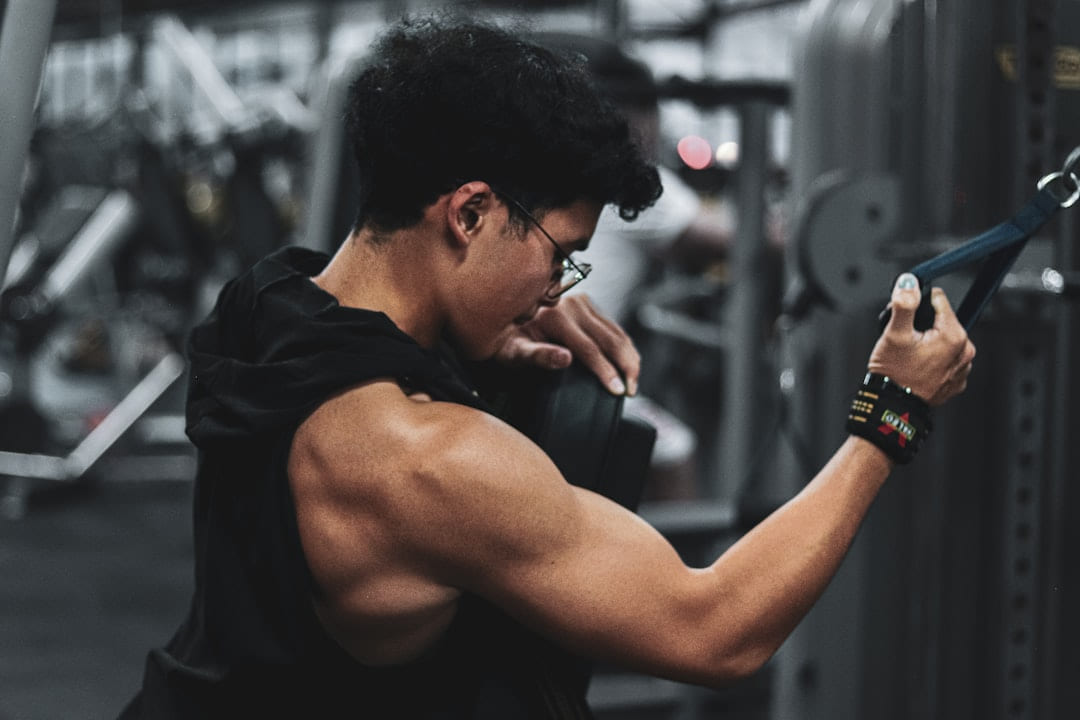
30-Min Workouts: Beginner Fixes
30 Minute Workout for Beginners: Troubleshooting & Building a Sustainable Routine 30 Minute Workout for Beginners: Troubleshooting & Building a Sustainable Routine.
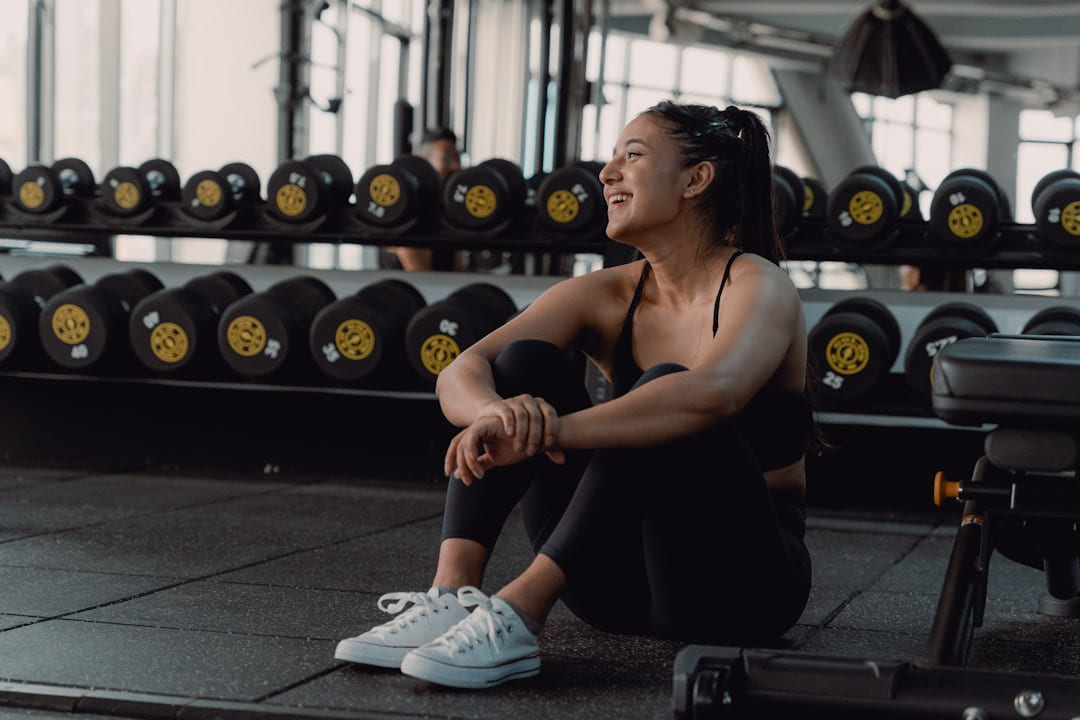
15-Minute Workouts: Beginner Mistakes
The options that age well are usually the ones that are easy to repeat. Reliability and low hassle often matter more than the most impressive-looking feature list.