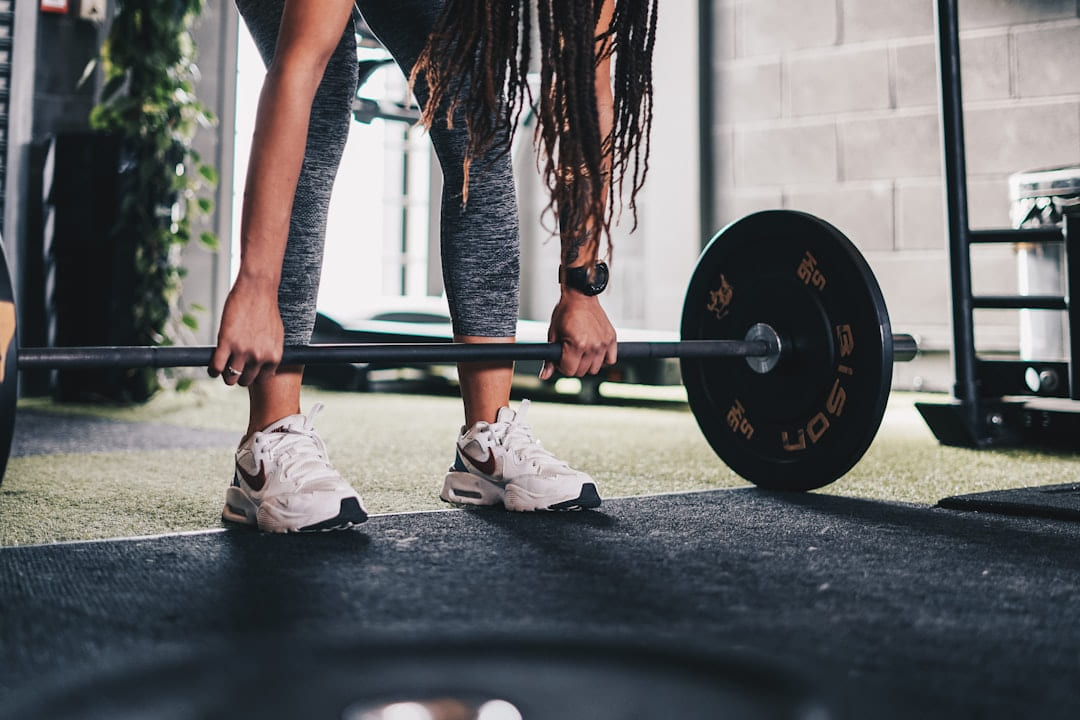
Hey everyone, Jason Marston here from First Rep Forward. Let’s be honest, the fitness world can be overwhelming. You’re bombarded with fancy programs, complicated diets, and influencers promising overnight results. But the truth is, lasting change isn’t about chasing trends; it’s about building a solid, sustainable foundation. This isn’t about becoming a bodybuilder or a marathon runner (at least, not yet!). This is about getting healthier, feeling stronger, and building habits that stick. Today, we’re breaking down the absolute best practices for beginner fitness - the things you need to know to avoid common pitfalls and actually see progress.
1. Start Simple: The Power of Consistency (Beginner Fitness)
Seriously, this is the single most important thing. Forget about hitting the gym five times a week. Forget about complicated routines. Start with 2-3 sessions a week, and focus on consistency. A 30-minute walk, a bodyweight circuit at home, or a beginner yoga class - it all counts. The key is to make it a habit. Think of it like brushing your teeth - you don’t need a complicated routine to maintain good oral hygiene; you just need to do it regularly. Building a habit takes time, so be patient with yourself. Don’t aim for perfection; aim for showing up.
Example: Instead of saying "I'm going to do a killer workout," say "I'm going to walk for 30 minutes after dinner three times this week." Small, achievable goals are far more effective than grand, intimidating ones.
2. Mastering the Basics: Bodyweight Exercises
You don’t need a gym membership to get a great workout. Bodyweight exercises are incredibly effective and can be done anywhere. Focus on mastering these fundamental movements:
- Squats: Builds lower body strength and stability.
- Push-ups: Works your chest, shoulders, and triceps. (Start on your knees if needed!)
- Planks: Strengthens your core - crucial for everything.
- Lunges: Improves balance and leg strength.
- Glute Bridges: Targets your glutes and hamstrings.
Important: Proper form is paramount. Watch videos, use a mirror, and focus on engaging the correct muscles. It's better to do fewer reps with good form than many reps with poor form. Poor form leads to injuries, and injuries derail progress.
3. Form Over Speed: The Foundation of Safety
I can’t stress this enough. When you’re starting out, it’s far more important to focus on executing exercises correctly than it is to go fast or lift heavy. Rushing through movements increases your risk of injury and prevents you from truly engaging the target muscles. Think about controlled movements - slow and deliberate. If you’re struggling to maintain good form, reduce the range of motion or modify the exercise.
Practical Tip: Record yourself performing exercises and compare your form to videos from reputable sources like Athlean-X or Jeff Nippard. It’s a brutally honest way to identify areas for improvement.
4. Warm-Up and Cool-Down: Respect Your Body
Don’t skip these! A proper warm-up prepares your muscles for activity, increasing blood flow and flexibility. A cool-down helps your body recover and reduces muscle soreness. A simple warm-up could include 5-10 minutes of light cardio (jogging in place, jumping jacks) and dynamic stretching (arm circles, leg swings). A cool-down should involve 5-10 minutes of static stretching, holding each stretch for 30 seconds.
5. Listen to Your Body: Recovery is Key
This is where a lot of beginners go wrong. You can’t build muscle and strength if you’re constantly pushing yourself to the point of exhaustion. Your body needs time to recover. That means getting enough sleep (7-9 hours), eating a nutritious diet, and incorporating rest days into your schedule. Don’t ignore pain - it’s a signal that something is wrong. Learn to differentiate between muscle soreness and actual injury.
Example: If you’re feeling excessively fatigued or experiencing sharp pain, take a day off. Active recovery - light activities like walking or yoga - can also be beneficial for speeding up recovery.
6. Nutrition: Fueling Your Progress
Fitness isn’t just about exercise; it’s about nutrition. You can’t out-train a bad diet. Focus on eating whole, unprocessed foods - plenty of fruits, vegetables, lean protein, and healthy fats. Don’t drastically restrict calories, as this can be counterproductive. Start by making small, sustainable changes - like swapping sugary drinks for water or adding a serving of vegetables to each meal.
Important Note: Hydration is crucial. Drink plenty of water throughout the day.
7. Progressive Overload: Gradually Increasing the Challenge
Once you’ve established a consistent routine, it’s time to start challenging your body. Progressive overload is the principle of gradually increasing the demands on your muscles over time. This can be done by increasing the weight you lift, the number of reps you perform, or the difficulty of the exercise. Don’t increase everything at once - choose one variable to focus on.
Example: If you’re doing squats, start with bodyweight squats. Once you can comfortably perform 3 sets of 10 reps, you can add weight (using dumbbells or a resistance band) or try a more challenging variation like goblet squats.
8. Find Your Motivation: Why You’re Doing This
Let's be real - fitness isn’t always fun. There will be days when you don’t feel like it. That’s where your ‘why’ comes in. Why are you starting this journey? Is it to improve your health, boost your energy levels, or feel more confident? Write down your goals and revisit them regularly. Find an accountability partner - a friend or family member who can support you along the way. Celebrate your successes, no matter how small.
9. Don't Compare Yourself to Others
This is a huge trap. Social media is filled with highly edited images and unrealistic expectations. Everyone starts somewhere. Focus on your own progress and celebrate your own achievements. Your journey is unique to you.
10. Consistency is the Ultimate Goal
Look, there’s no magic bullet. There’s no secret exercise or diet that will instantly transform your body. But if you consistently apply these best practices - starting simple, mastering the basics, prioritizing form, listening to your body, and fueling your progress - you will see results. It’s a marathon, not a sprint. Build a sustainable lifestyle, and you’ll be well on your way to achieving your fitness goals. Now get out there and start moving!
Keep This Practical
The best beginner-fitness move is usually a manageable one. Focus on form, recovery, and showing up again rather than trying to prove too much in a single session.
Tools Worth A Look
The recommendations here are best for readers who want practical fitness support rather than complicated programming.
- High-Protein Low-Carb Diet Cookbook for Beginners: 100+ Simple & Healthy Recipes for Two with a 28-Day Meal PlanJuicing for Beginners: The Essential Guide to Juicing Recipes and Juicing for Weight LossCalisthenics Workouts for Beginners to Advanced: A Beginner-to-Advanced Strength System with Progressions to Build Strength, Avoid Plateaus, and Train at HomeCalisthenics for Beginners
Some of the links on this page are Amazon affiliate links, which means I may earn a small commission if you make a purchase through them. As an Amazon Associate, I earn from qualifying purchases.
Related ReadingMore from First Rep Forward
Start Strong: Your First Bodyweight Moves
Bodyweight training utilizes your own body as resistance. This makes it accessible to almost everyone, regardless of fitness level. It’s fantastic for building.
30-Min Workouts: Beginner Fixes
30 Minute Workout for Beginners: Troubleshooting & Building a Sustainable Routine 30 Minute Workout for Beginners: Troubleshooting & Building a Sustainable Routine.
15-Minute Workouts: Beginner Mistakes
The options that age well are usually the ones that are easy to repeat. Reliability and low hassle often matter more than the most impressive-looking feature list.