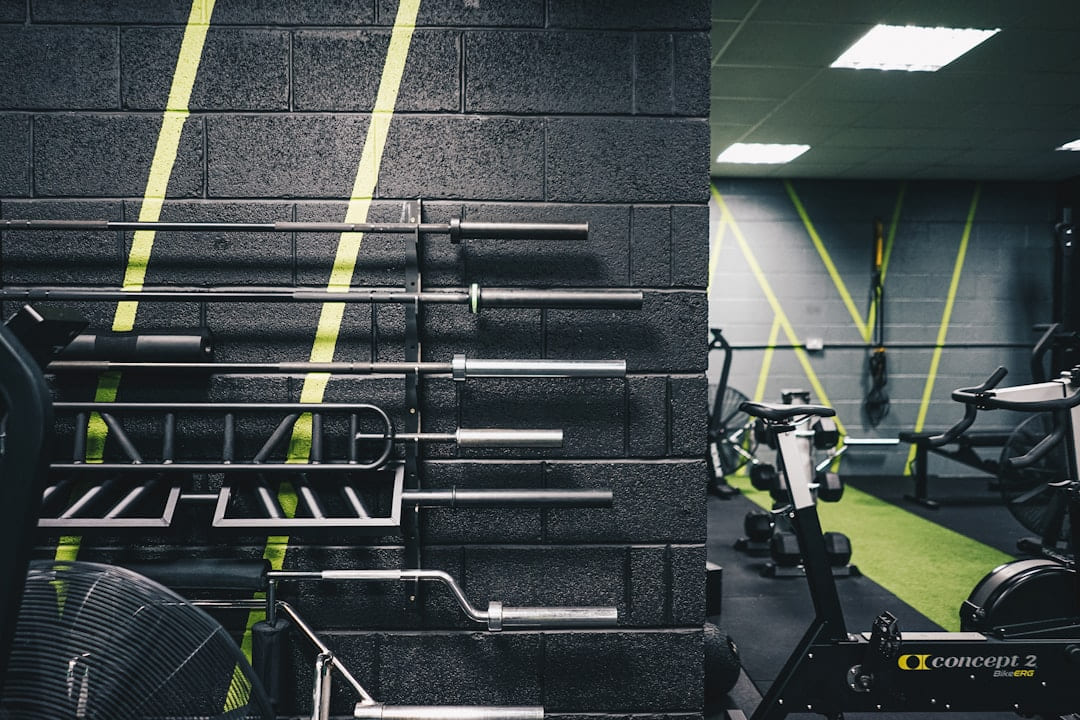
This First Rep Forward guide keeps Minute Fitness grounded in manageable effort, clear form, and progress you can keep building.
After a workout, it’s important to give your muscles a chance to recover. Cooling down with static stretches - holding a stretch for 30-60 seconds - helps reduce muscle soreness and improves flexibility. Here are a few stretches to try: * Hamstring Stretch: Sit on the floor with your legs extended. Reach towards your toes, keeping your back as straight as possible. (30 seconds)
- Quad Stretch: Stand holding onto a wall or chair for balance. Bend one knee and bring your heel towards your glutes. Gently pull your heel closer to your glutes. (30 seconds per leg)
- Triceps Stretch: Reach one arm overhead and bend your elbow, bringing your hand towards your upper back. Use your other hand to gently pull your elbow further down. (30 seconds per arm)
- Shoulder Stretch: Reach one arm across your body and use your other hand to gently pull it closer. (30 seconds per arm)
Building a Habit: Consistency is Key
You’ve done the workout! Now what? Don’t stop there. Building a sustainable fitness routine is about more than just completing a 30-minute workout. Here are a few tips: * Start Small: If 30 minutes feels overwhelming, start with 15 or 20.
- Schedule It: Treat your workout like any other important appointment. Put it in your calendar.
- Find a Buddy: Working out with a friend can provide motivation and accountability.
- Track Your Progress: Keep a simple notebook or use a fitness tracking app to monitor your progress. Seeing your improvements can be incredibly motivating.
Pick the easiest win first
Most people get better results with Minute Fitness when they narrow the decision to one real problem. That could be saving time, trimming cost, reducing friction, or making the routine easier to keep up.
This usually gets easier once you make a short list of priorities. A tighter list tends to produce better decisions than trying to solve every possible problem at once.
Another useful filter is asking what you would still recommend if the budget got tighter, the schedule got busier, or the setup had to be easier for someone else to manage. The answers to that question usually reveal which advice is durable and which advice only works under ideal conditions.
The tradeoff most people notice late
One common mistake with Minute Fitness is expecting every option to solve the whole problem. In reality, some choices are better for convenience, some for reliability, and some simply for keeping the budget under control.
Before spending more, it is worth checking the setup, upkeep, and learning curve. Small hassles matter here because they are usually what decide whether something stays useful or gets ignored.
It is easy to underestimate how much clarity comes from removing one unnecessary layer. In practice, trimming one complication often does more for Minute Fitness than adding one more feature, one more product, or one more clever workaround.
What makes this easier to live with
The options that age well are usually the ones that are easy to repeat. Reliability and low hassle often matter more than the most impressive-looking feature list.
In a topic like Beginner Fitness, manageable almost always beats impressive. If something is simple enough to keep using, it is usually doing more real work for you.
Readers usually get better results when they treat advice as something to test and refine, not something to obey perfectly. That mindset creates room for real judgment, which is often the difference between content that sounds smart and guidance that is actually useful.
How to avoid extra hassle
When you are deciding what to do next, aim for the option that reduces friction and gives you a clearer read on what matters most. That is usually how Minute Fitness becomes more useful instead of more complicated.
Leave a little room to adjust as you go. A setup that works in one budget range, season, or routine might need a small change later, and that is usually normal rather than a sign you got it wrong.
If this topic still feels crowded or overcomplicated, that is usually a sign to narrow the decision, not a sign that you need more noise. One careful adjustment, followed by honest observation, tends to teach more than another round of abstract tips.
What is worth paying for
There is also value in keeping one part of the process deliberately simple. Readers often do better when they identify the one decision that carries the most weight and make that choice carefully before they chase smaller optimizations. That keeps momentum steady and usually prevents the topic from turning into clutter.
A better approach is to break Minute Fitness into smaller decisions and solve the highest-friction part first. Testing one practical change usually teaches more than trying to perfect everything in a single pass.
A grounded next step is usually better than a dramatic one. Pick one realistic change, see how it works in normal life, and let that result guide the next decision.
A low-stress way to begin
That is why the best next step is often a modest one with a clear upside. You want something specific enough to act on, flexible enough to adjust, and practical enough that you would still recommend it after the first burst of enthusiasm fades.
You do not need the flashiest answer here. You need the one that fits your space, budget, and routine well enough that you will still feel good about it after the first week.
The version that holds up best is usually the one you can live with on an ordinary day. That often matters more than the version that only feels good when you have extra time, energy, or money.
Wrapping Up: Small Steps, Big Results
This 30-minute workout is a fantastic starting point for anyone looking to get more active. Remember, it's not about perfection; it’s about progress. Celebrate your small victories, be patient with yourself, and most importantly, start. And please, before starting any new exercise program, consult with your doctor or a qualified healthcare professional.
Keep This Practical
The best beginner-fitness move is usually a manageable one. Focus on form, recovery, and showing up again rather than trying to prove too much in a single session.
Tools Worth A Look
The recommendations here are best for readers who want practical fitness support rather than complicated programming.
- Nexora Resistance Bands Set, 5 Resistance Levels 8-125LBS, 82 Inch Natural Rubber Workout Bands for Home Gym Travel, Fitness Bands for BeginnersSpeediance Smart Home Gym, Multi-Functional Gym Machine for Full Body Strength Training, All-in-one Gym Equipment, Digital Weight System, Workout StationHome Pilates Ring and Ball Set for Women with 5 Resistance Bands 13 inch Magic Circle Workout Starter KitBodyweight and Dumbbell Workout CardsJIN BD Wrist Trainer Ball Auto-Start Gyroscopic Forearm Exerciser Gyro Ball for Strengthen Arms, Fingers, Grip and Muscles
Some of the links on this page are Amazon affiliate links, which means I may earn a small commission if you make a purchase through them. As an Amazon Associate, I earn from qualifying purchases.
Related ReadingMore from First Rep Forward
5-Day Workout Split: Beginner FAQs Explained
Here’s a sample schedule. Remember, this is just a template - adjust it based on your fitness level, equipment access, and personal preferences. Proper form is.
5 Days to Strength: A Beginner’s Split
deserves a little more room than a quick summary because most readers are trying to make a real decision, not just skim a few surface-leve...
15-Minute Moves: Your First Step
is easier to make sense of when you break it down into the part that matters most first. Instead of chasing every option at once, it usually helps to focus on what.