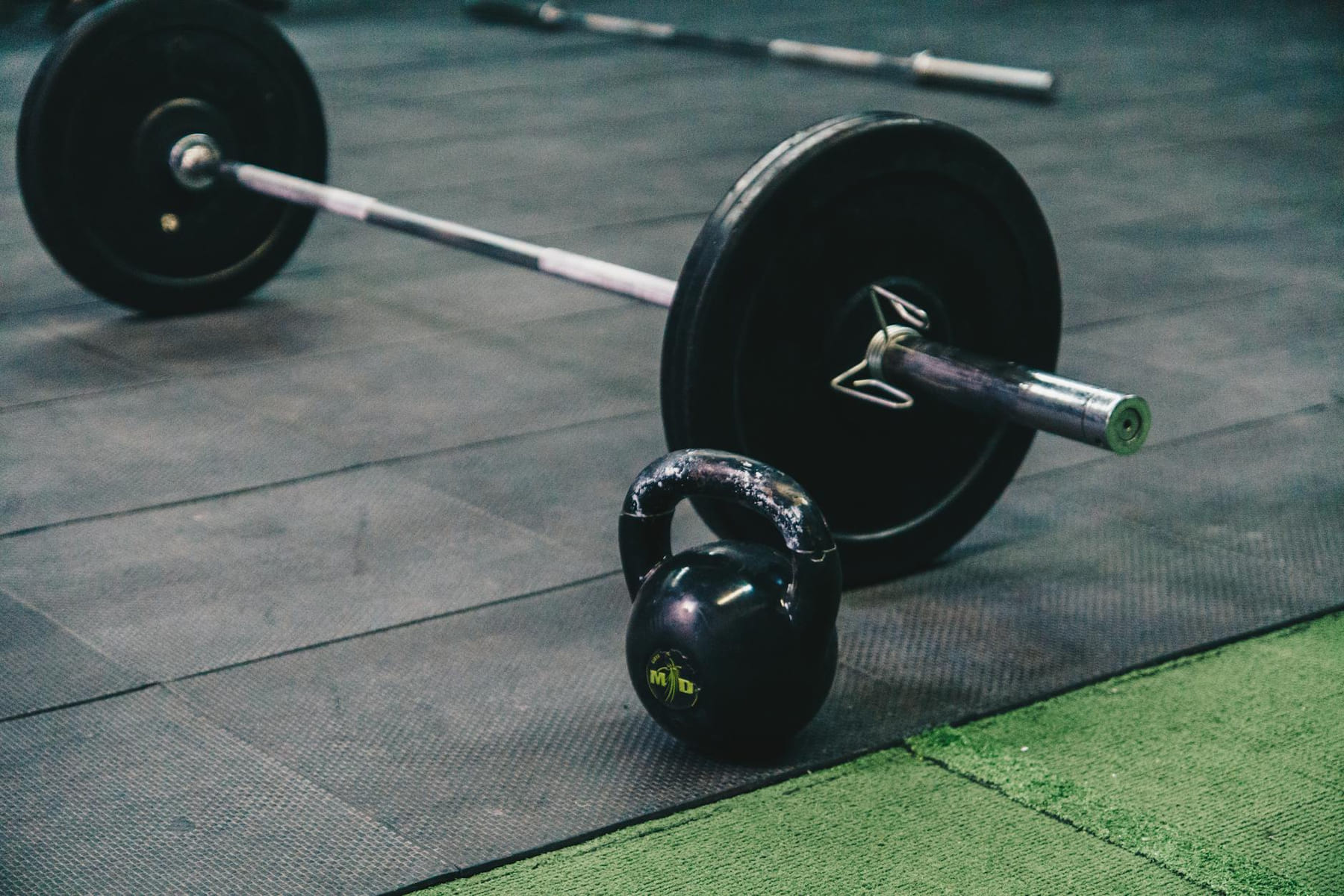
Starting a fitness routine can feel incredibly daunting, honestly. It’s easy to get swept away by elaborate plans, hours spent at the gym, and the pressure to achieve immediate results. But what if I told you that you could genuinely make a positive difference in your health and fitness with just 10 minutes a day? That’s the core idea behind this simple checklist - a practical, manageable way to build a sustainable habit without adding a significant amount of stress or overwhelm to your life. It’s about progress, not perfection.
Why 10 Minutes Matters: The Science of Small Wins
Let’s be realistic about time. Many people believe that a substantial commitment is absolutely necessary to see noticeable improvements, which can be a major hurdle for those just starting out. However, a growing body of research consistently demonstrates that even short bursts of activity - as little as 10 minutes - can have a surprisingly powerful impact on your energy levels, mood, sleep quality, and overall well-being. It’s not just anecdotal; studies have shown that regular, short workouts can improve cardiovascular health, boost metabolism, and even reduce the risk of chronic diseases. Furthermore, it’s far easier to stick with something when it doesn’t feel like a monumental sacrifice, and 10 minutes is almost always achievable.
Your 10-Minute Workout Checklist: A Step-by-Step Guide
- Warm-Up (1-2 Minutes): Don't dive straight into high-intensity exercise. Your body needs a gentle introduction to prepare for movement. Begin with some light, dynamic movements to get your blood flowing and increase your body temperature. Simple things like marching in place (lifting your knees high), arm circles (forward and backward), torso twists, and gentle neck rolls are perfect. You could also incorporate some basic stretches like reaching for your toes or touching your shins. A good warm-up prepares your muscles and joints, reducing the risk of injury. For example, if you're planning a more intense cardio session, a longer warm-up - perhaps 3-4 minutes - is beneficial.
- Cardio Burst (3-4 Minutes): This is where you get your heart rate up! Choose something you genuinely enjoy to make it more sustainable. The key is to elevate your heart rate for a sustained period. Excellent options include jumping jacks (a classic for a reason!), high knees (bringing your knees up towards your chest), butt kicks (bringing your heels up towards your glutes), brisk walking in place, or even dancing to your favorite upbeat song. If jumping jacks feel too intense initially, start with smaller, modified versions - like step-outs instead of full jumps. Consider interval training - alternating between periods of higher intensity and lower intensity - to maximize your calorie burn and improve your cardiovascular fitness.
- Bodyweight Strength (3-4 Minutes): You absolutely don’t need any fancy equipment for this! Focus on engaging your muscles and maintaining proper form. Here are a few effective exercises:
- Squats: Stand with your feet shoulder-width apart, lower your hips as if sitting in a chair, and keep your back straight.
- Push-Ups (Modified on Knees): Start in a plank position, lower your chest towards the floor, and push back up. If full push-ups are too challenging, perform them on your knees.
- Lunges: Step forward with one leg and lower your body until both knees are bent at a 90-degree angle.
- Planks: Hold a straight line from head to heels, engaging your core muscles. Start with 30-second holds and gradually increase the duration.
- Glute Bridges: Lie on your back with your knees bent and feet flat on the floor. Lift your hips off the ground, squeezing your glutes at the top.
Remember to focus on controlled movements and proper form over speed. It’s better to do fewer repetitions with good form than many with poor form.
- Cool-Down (1-2 Minutes): Slowly bring your heart rate back down and stretch your muscles to improve flexibility and reduce muscle soreness. Hold each stretch for 20-30 seconds, breathing deeply. Effective stretches include hamstring stretches (reaching for your toes), quad stretches (holding your foot behind you), triceps stretches (reaching one arm overhead and bending at the elbow), and chest stretches (interlacing your fingers behind your back and opening your chest).
Tips for Success: Building a Lasting Habit
Building a new habit is a marathon, not a sprint. Be patient with yourself and celebrate small victories. Here are some strategies to help you stay on track:
- Schedule it in: Treat your 10-minute workout like any other important appointment. Block out a specific time in your calendar and protect it. Consistency is key.
- Find an accountability partner: Working out with a friend, family member, or online community can make it more enjoyable and keep you motivated. Consider joining a virtual workout group or finding a workout buddy.
- Start small and build up: Don't try to do too much too soon. Begin with a shorter workout duration or fewer repetitions and gradually increase the intensity or duration as you get stronger and more comfortable. For example, start with 5 minutes and add 1-2 minutes each week.
- Listen to your body: Rest when you need to. It’s perfectly okay to take a day off if you’re feeling sore, tired, or stressed. Don’t push yourself too hard, especially when starting out.
- Make it enjoyable: Choose activities you genuinely enjoy! If you hate running, don’t force yourself to run. Explore different types of workouts until you find something you look forward to. Music, podcasts, or audiobooks can also make your workouts more engaging.
- Track your progress: Use a fitness tracker or app to monitor your workouts and see how far you’ve come. Visualizing your progress can be a powerful motivator.
- Reward yourself (healthily): Celebrate your accomplishments with non-food rewards, such as a new workout outfit, a relaxing bath, or a fun activity.
Remember, even a small amount of movement is better than none. This 10-minute checklist is a fantastic and accessible starting point for building a healthier, happier, and more energized you. Don’t let the fear of starting hold you back. Give it a try, and you might be surprised at the positive impact it has on your life. Start today!
Keep This Practical
A strong routine is built through repeatable effort, not one perfect week. Choose the next workout or habit that feels sustainable, then protect it long enough to become normal.
Tools Worth A Look
These picks are most relevant if you want simple equipment or supports that make the next workout easier to repeat.
- Weighted Jump Rope for Men Women, 1.5lb Heavy Jumping Ropes for Fitness, Adult Skipping Rope for Home Gym ExerciseCalisthenics for Beginners: Step-by-Step Workouts to Build Strength at Any Fitness LevelWeighted Hula Infinity Circle Hoops for Weight Loss, Infinity Fitness Hoop Plus Size for Women, Adjustable 30-Link Smart Exercise Circle for Home Workout10-Minute Strength Training Exercises for SeniorsWHATAFIT Resistance Bands, Exercise Bands,Resistance Bands for Working Out, Work Out Bands with Handles for Men and Women Fitness, Strength Training Home Gym
Some of the links on this page are Amazon affiliate links, which means I may earn a small commission if you make a purchase through them. As an Amazon Associate, I earn from qualifying purchases.
Related ReadingMore from First Rep Forward
Start Strong: Your First Bodyweight Moves
Bodyweight training utilizes your own body as resistance. This makes it accessible to almost everyone, regardless of fitness level. It’s fantastic for building.
30-Min Workouts: Beginner Fixes
30 Minute Workout for Beginners: Troubleshooting & Building a Sustainable Routine 30 Minute Workout for Beginners: Troubleshooting & Building a Sustainable Routine.
15-Minute Workouts: Beginner Mistakes
The options that age well are usually the ones that are easy to repeat. Reliability and low hassle often matter more than the most impressive-looking feature list.