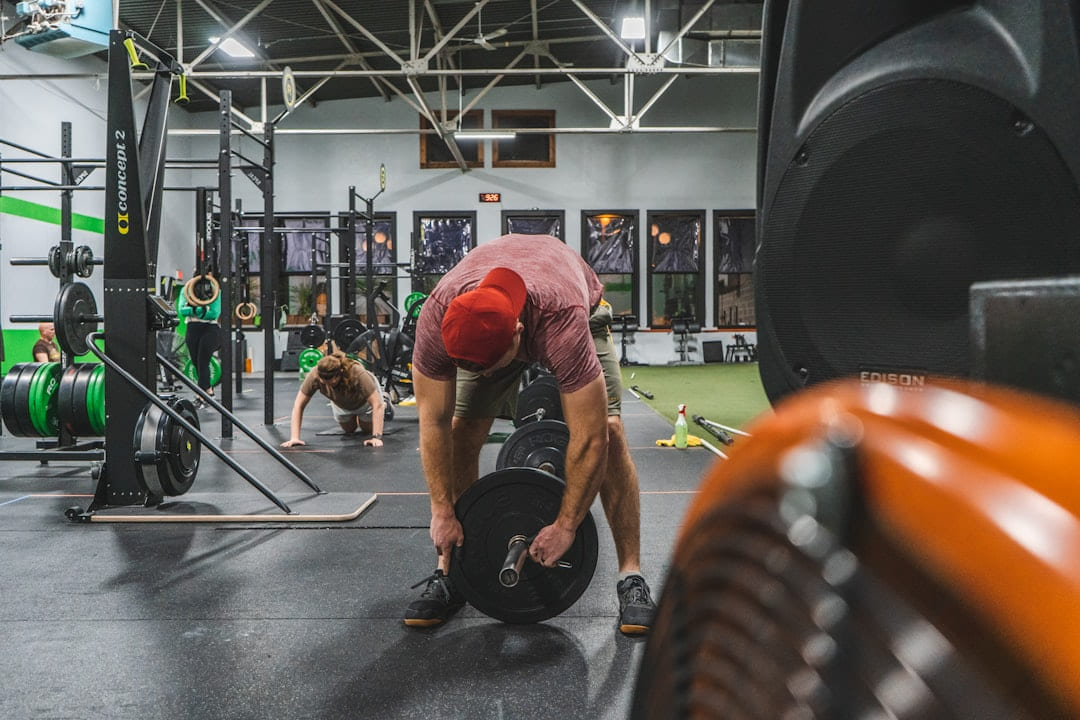
Day Fitness: A Simple can be easier to approach when you start with a few practical basics.
Lower Body - Quads, Hamstrings, Glutes (Day Fitness: A Simple)
- Bodyweight Squats: (3 sets of 15-20 reps). Stand with your feet shoulder-width apart. Lower your hips as if you’re sitting in a chair, keeping your back straight and your chest up. Go as low as you comfortably can.
- Lunges (Various Types): (3 sets of 10-12 reps per leg). Step forward with one leg and lower your body until both knees are bent at 90 degrees. Keep your front knee behind your toes. Alternate legs. You can do forward lunges, reverse lunges, or walking lunges - experiment to find what feels best.
- Glute Bridges: (3 sets of 15-20 reps). Lie on your back with your knees bent and feet flat on the floor. Lift your hips off the floor, squeezing your glutes at the top. Hold for a second, then lower back down.
- Hamstring Curls (Resistance Band): (3 sets of 12-15 reps). Loop a resistance band around your ankles and stand with your feet shoulder-width apart. Keep your legs straight and slowly bend them back, bringing your heels towards your glutes. Return to the starting position slowly. Progression: If bodyweight squats are too easy, you can add weight (dumbbells or a backpack). For lunges, you can hold dumbbells or increase the depth of your lunge. As you get stronger, you can increase the number of reps or sets.
Days 3 & 5: Rest & Full Body Circuit - Fueling Recovery & Building a Foundation
Rest days are not optional. They’re essential for muscle repair and growth. On Days 3 and 5, you have two options: complete rest or engage in active recovery. Active recovery involves light activities like walking, yoga, or stretching - anything that gets your blood flowing without straining your muscles. Day 5: Full Body Circuit: This is a fantastic way to maintain some activity while giving your major muscle groups a break. Perform each exercise for 45 seconds, followed by 15 seconds of rest. Complete 3 rounds.
- Plank: (Hold for as long as possible with good form - aim for 30-60 seconds).
- Bird Dog: (10-12 reps per side - focus on core stability).
- Bodyweight Rows (using a sturdy table or bar): (As many reps as possible - AMRAP).
- Mountain Climbers: (30-60 seconds - maintain a good plank position).
Best Practices & Recovery - The Non-Negotiables
Let’s talk about the things that truly matter beyond just the exercises themselves.
- Form First: Seriously, this is the most important thing. It’s better to do fewer reps with perfect form than to blast through a set with sloppy technique. Poor form can lead to injuries.
- Progressive Overload: This is the key to getting stronger. Gradually increase the challenge over time - whether it’s by adding weight, increasing reps, or decreasing rest time. Don't try to do too much too soon. Small, consistent increases are much more sustainable.
- Warm-up & Cool-down: Before each workout, do 5-10 minutes of dynamic stretching (arm circles, leg swings, torso twists). After your workout, do 5-10 minutes of static stretching (holding stretches for 30 seconds).
- Nutrition: Fuel your body with a balanced diet rich in protein and plenty of hydration. Protein is essential for muscle repair and growth.
- Recovery: Aim for 7-9 hours of sleep per night. Stretching, foam rolling, and spending time relaxing are all great ways to aid recovery.
Start with what you will actually use
With 4-Day Fitness: A Simple Start, the first question is usually not which option looks best on paper. It is which part will make day-to-day life easier, smoother, or cheaper once the novelty wears off.
A lot of options sound great until you picture them in a normal week. If the setup is fussy, the routine is easy to forget, or the maintenance is annoying, the appeal fades quickly.
There is also value in keeping one part of the process deliberately simple. Readers often do better when they identify the one decision that carries the most weight and make that choice carefully before they chase smaller optimizations. That keeps momentum steady and usually prevents the topic from turning into clutter.
What tends to get overlooked
Tradeoffs are normal here. Cost, convenience, upkeep, and flexibility do not always line up neatly, so it helps to decide which tradeoff matters least to you before you commit.
This usually gets easier once you make a short list of priorities. A tighter list tends to produce better decisions than trying to solve every possible problem at once.
Another useful filter is asking what you would still recommend if the budget got tighter, the schedule got busier, or the setup had to be easier for someone else to manage. The answers to that question usually reveal which advice is durable and which advice only works under ideal conditions.
How to keep the setup simple
If you want 4-Day Fitness: A Simple Start to hold up over time, choose the version you can actually maintain. That can mean spending less, leaving out an attractive extra, or simplifying the setup so it fits ordinary life.
The version that holds up best is usually the one you can live with on an ordinary day. That often matters more than the version that only feels good when you have extra time, energy, or money.
That is why the best next step is often a modest one with a clear upside. You want something specific enough to act on, flexible enough to adjust, and practical enough that you would still recommend it after the first burst of enthusiasm fades.
Costs that show up later
You do not need the flashiest answer here. You need the one that fits your space, budget, and routine well enough that you will still feel good about it after the first week.
In a topic like Beginner Fitness, manageable almost always beats impressive. If something is simple enough to keep using, it is usually doing more real work for you.
Readers usually get better results when they treat advice as something to test and refine, not something to obey perfectly. That mindset creates room for real judgment, which is often the difference between content that sounds smart and guidance that is actually useful.
What is worth skipping
It is easy to underestimate how much clarity comes from removing one unnecessary layer. In practice, trimming one complication often does more for 4-Day Fitness: A Simple Start than adding one more feature, one more product, or one more clever workaround.
The options that age well are usually the ones that are easy to repeat. Reliability and low hassle often matter more than the most impressive-looking feature list.
When you are deciding what to do next, aim for the option that reduces friction and gives you a clearer read on what matters most. That is usually how 4-Day Fitness: A Simple Start becomes more useful instead of more complicated.
Keep This Practical
Training gets easier when the next step feels clear enough to repeat. Pick the version of the workout you can actually complete this week, and let consistency build the confidence.
Tools Worth A Look
If consistency is the real goal, the products below line up with beginner-friendly training and recovery habits.
- Home Pilates Ring and Ball Set for Women with 5 Resistance Bands 13 inch Magic Circle Workout Starter KitScience of Strength Training: Understand the Anatomy and Physiology to Transform Your BodyChair Yoga for Weight Loss: A Collection of 50+ Low-Impact Exercises for Seniors and Beginners to Lose Weight While Sitting on a ChairNewMe Fitness Stretching Workout Cards, Instructional Fitness Deck for Women & Men, Beginner Fitness GuideKUTIZE Pilates Bar Kit with Resistance Bands, Heavy Duty Pilates Equipment for Men, Training Bands
Some of the links on this page are Amazon affiliate links, which means I may earn a small commission if you make a purchase through them. As an Amazon Associate, I earn from qualifying purchases.
Related ReadingMore from First Rep Forward
5-Day Workout Split: Beginner FAQs Explained
Here’s a sample schedule. Remember, this is just a template - adjust it based on your fitness level, equipment access, and personal preferences. Proper form is.
5 Days to Strength: A Beginner’s Split
deserves a little more room than a quick summary because most readers are trying to make a real decision, not just skim a few surface-leve...
15-Minute Moves: Your First Step
is easier to make sense of when you break it down into the part that matters most first. Instead of chasing every option at once, it usually helps to focus on what.