
Starting a fitness journey can feel overwhelming, especially if you’re new to exercise. The thought of intense workouts and complicated routines can quickly lead to procrastination. But what if we told you there’s a fantastic way to build a solid foundation, develop sustainable habits, and actually enjoy the process? We’re talking about the 30-Day Beginner Workout Challenge - a simple, achievable plan designed to get you moving and feeling your best. This isn’t about becoming a fitness guru overnight; it’s about building momentum, establishing a routine, and celebrating every step you take. Let’s dive into exactly what this challenge entails, and how you can make it a resounding success.
This checklist breaks down the challenge into manageable daily activities, focusing on three key areas: cardio, strength training, and flexibility. We’ve designed it to be adaptable to your current fitness level, with modifications offered throughout to ensure you feel comfortable and confident.
Here’s Your 30-Day Breakdown:
- Week 1: Building the Base
- Cardio: 20-minute brisk walk - Find a route you enjoy! Whether it’s a local park, a scenic neighborhood, or even just around your block, make walking a pleasurable experience. (YouTube: “Beginner Walking Workout” - great for extra motivation and guidance).
- Strength: Bodyweight Squats - 3 sets of 10 reps. Rest 60 seconds between sets. Focus on maintaining good form - imagine you’re sitting down into a chair and then standing back up.
- Flexibility: Hamstring Stretch - Hold for 30 seconds each leg. Lie on your back with one leg extended and the other bent. Gently pull the extended leg towards your chest, feeling the stretch in the back of your thigh. Day 7: Reflect on your progress - how are you feeling?
- Cardio: Jumping Jacks - 3 sets of 30 seconds, with 30 seconds rest between sets. Start slow and gradually increase your pace as you get more comfortable.
- Strength: Push-Ups (on your knees if needed) - 3 sets of as many reps as you can manage. Rest 60 seconds. If a full push-up is too much, absolutely do them on your knees - it’s entirely about what feels right for you.
- Flexibility: Child’s Pose - Hold for 60 seconds. This is a fantastic pose for relaxation and stretching your hips and thighs.
- Week 2: Increasing Intensity
- Cardio: Dance Break! - 20 minutes of your favorite music - get moving! Turn up the volume and let loose - this is your time to have fun.
- Strength: Plank - Hold for 30-60 seconds, 3 repetitions. Maintain a straight line from head to heels, engaging your core muscles.
- Flexibility: Cat-Cow Stretch - 10 repetitions. This gentle movement improves spinal mobility and releases tension.
- Cardio: Walk/Jog Intervals - Alternate between 2 minutes of walking and 1 minute of jogging for 20 minutes. Gradually increase the jogging intervals as you build stamina.
- Week 3: Adding Strength & Endurance
- Strength: Lunges - 3 sets of 10 reps per leg. Ensure your front knee doesn’t go past your toes.
- Flexibility: Quadriceps Stretch - Hold for 30 seconds each leg. Stand holding onto a wall for balance if needed.
- Cardio: Cycling (if you have access to a bike) - 30-minute ride at a moderate pace. Alternatively, more of the brisk walk.
- Week 4: Consolidation & Reflection
- Strength: Glute Bridges - 3 sets of 15 reps. Rest 60 seconds. Squeeze your glutes at the top of the movement.
- Flexibility: Spinal Twist - Hold for 30 seconds each side. This helps to improve spinal mobility and relieve lower back tension. Notice how I’ve included variations. If a full push-up is too much, do them on your knees. If a squat feels wobbly, start with just a partial squat. The point is to find something that works for you and allows you to maintain good form. Consistency is far more important than perfect execution, especially at the beginning.
Essential Elements: Warm-ups & Cool-downs
Before every workout, you need to prepare your body. A good warm-up increases blood flow to your muscles, improves flexibility, and reduces the risk of injury. A simple 5-minute dynamic stretching routine - arm circles, leg swings, torso twists - will do the trick. Don’t skip it! It’s like priming a car engine - you wouldn’t start it without warming it up, right? Similarly, cool-downs are just as important. After your workout, take 5-10 minutes to gradually lower your heart rate with static stretches - holding each stretch for 30 seconds. This helps your muscles recover and reduces stiffness. Think of it as giving your body a gentle “thank you” for the effort.
Nutrition Basics & Tracking Progress
You don’t need to overhaul your entire diet overnight. Start with simple changes: prioritize hydration (aim for at least 8 glasses of water a day), focus on whole, unprocessed foods, and be mindful of portion sizes. Tracking your progress can be incredibly motivating. You don’t need a fancy app; a simple journal, a spreadsheet, or even just a calendar where you mark off each day you worked out can make a huge difference. Celebrate those small wins - you completed a workout! You stuck to your hydration goal! Don’t focus on the big picture; celebrate the daily steps.
Modifications, Rest & Maintaining Momentum
Life happens. You'll have days when you're exhausted, or your schedule is packed. That’s okay. If you need to modify an exercise, do it. If you can’t make it to a workout, swap it for something active you can fit in - a walk, some gardening, anything that gets you moving. Rest is essential. Aim for 7-9 hours of sleep per night, and don’t be afraid to take rest days. They’re not a sign of weakness; they’re crucial for muscle recovery and preventing burnout. And finally, find a way to stay motivated. Working out with a friend, listening to upbeat music, or setting small, achievable goals can all help you stay on track.
Conclusion
Starting a fitness routine can feel daunting, but it doesn’t have to be. The 30-day challenge is a fantastic way to build a solid foundation and develop sustainable habits. Remember, "First Rep Forward" is all about taking that first step, and then the next. Don’t worry about being perfect; just focus on being consistent. You’ve got this!
Keep This Practical
The best beginner-fitness move is usually a manageable one. Focus on form, recovery, and showing up again rather than trying to prove too much in a single session.
Tools Worth A Look
The recommendations here are best for readers who want practical fitness support rather than complicated programming.
- SPORTBIT Adjustable Jump Rope for Fitness and Exercise – Skipping Rope for Cardio, Boxing, and Weight Loss – Speed Rope perfect for Men & WomenPilates Bar Kit with Resistance Bands, Multifunctional Yoga Pilates Bar with Heavy-Duty Metal Adjustment Buckle, Portable Home Gym Pilates Resistance Bar KitZELUS Weighted Belt, Z-Fit Adjustable Weighted Belt for Men Women with Removable Silicone Soft Iron Blocks, Waist Adjustable Waistband for Training Walking YogaFall Prevention Balance Exercises For Seniors: Your 28 Day Plan With 100+ IllustrationsGaiam Print Yoga Mat, Non Slip Exercise & Fitness Mat for All Types of Yoga, Pilates and Floor Exercises
Some of the links on this page are Amazon affiliate links, which means I may earn a small commission if you make a purchase through them. As an Amazon Associate, I earn from qualifying purchases.
Related ReadingMore from First Rep Forward
5-Day Workout Split: Beginner FAQs Explained
Here’s a sample schedule. Remember, this is just a template - adjust it based on your fitness level, equipment access, and personal preferences. Proper form is.
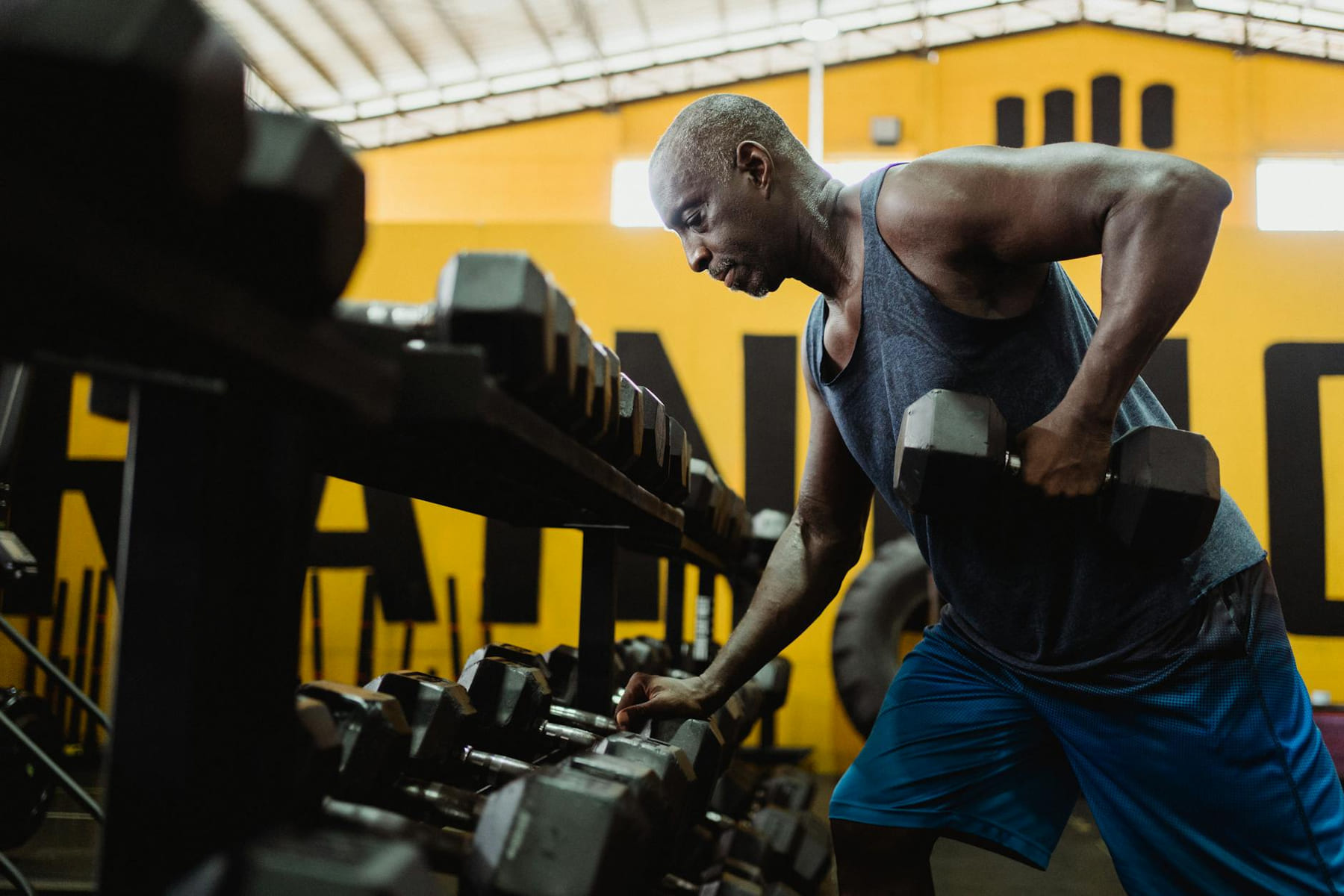
5 Days to Strength: A Beginner’s Split
deserves a little more room than a quick summary because most readers are trying to make a real decision, not just skim a few surface-leve...
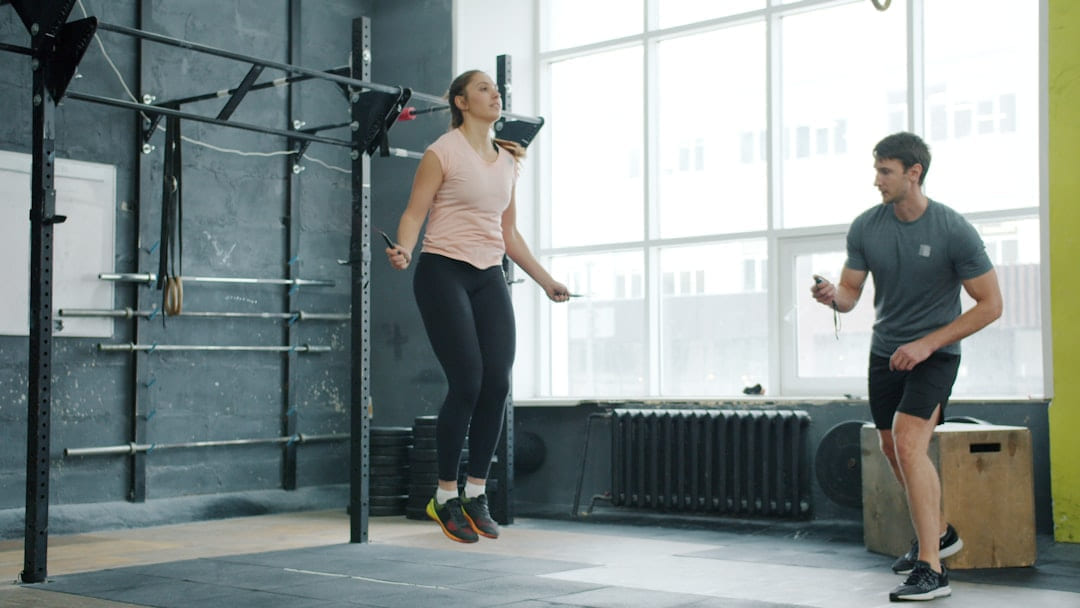
15-Minute Moves: Your First Step
is easier to make sense of when you break it down into the part that matters most first. Instead of chasing every option at once, it usually helps to focus on what.