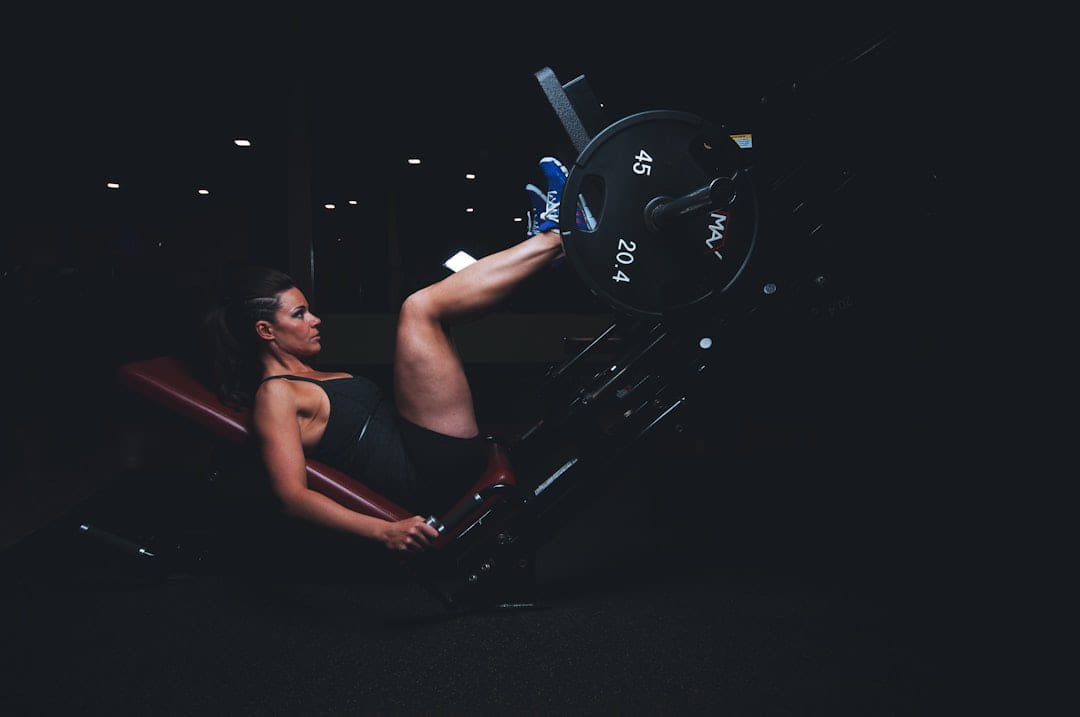
1. Setting Unrealistic Goals
This is arguably the biggest mistake. Seeing incredibly fit people on social media can lead to the temptation to drastically increase your workout intensity or volume. A 30-day challenge is about progress, not overnight transformations. Starting with a goal that's too ambitious - like running a 5k when you’re currently unable to walk a mile - is a guaranteed path to burnout and injury.
Instead of aiming to lose 10 pounds in 30 days, focus on consistently completing your workouts three times a week and improving your endurance by 10% each week.
Tip: Use the SMART goal framework: Specific, Measurable, Achievable, Relevant, and Time-bound. A SMART goal for a beginner might be “I will complete a 30-minute bodyweight workout three times this week.”
2. Ignoring Proper Form
It’s tempting to rush through exercises to get them done, especially when you’re feeling tired or motivated. However, sacrificing form for speed is a huge mistake. Poor form not only reduces the effectiveness of the exercise but also dramatically increases your risk of injury. Focus on controlled movements, engaging the correct muscles, and maintaining a stable core.
For example, doing a squat with your knees caving inward puts excessive stress on your joints. Proper form involves keeping your chest up, back straight, and knees tracking over your toes.
Tip: Record yourself performing exercises and compare your form to videos from reputable sources like the American College of Sports Medicine (ACSM) or certified personal trainers. Start with bodyweight exercises to master the movement patterns before adding weight.
3. Not Warming Up or Cooling Down
Treating your body like a machine that can instantly go from rest to intense activity is a recipe for disaster. Warming up prepares your muscles for exercise, increasing blood flow and flexibility. Cooling down helps your heart rate return to normal and reduces muscle soreness. Skipping these steps can lead to muscle strains, stiffness, and decreased performance.
A simple warm-up could include 5-10 minutes of light cardio, such as jogging in place or jumping jacks, followed by dynamic stretches like arm circles and leg swings. A cool-down should involve 5-10 minutes of static stretches, holding each stretch for 30 seconds.
4. Overtraining and Ignoring Rest
Consistency is key, but so is recovery. Overtraining - pushing yourself too hard without allowing your body to rest and repair - can lead to fatigue, decreased performance, and increased risk of injury. Your muscles grow and adapt during rest, not during workouts. A 30-day challenge shouldn’t feel like a constant grind. Schedule rest days and prioritize sleep.
Listen to your body. If you’re feeling excessively sore or fatigued, take an extra rest day. Active recovery, such as a light walk or yoga, can also be beneficial.
Tip: Aim for 7-9 hours of sleep per night. Incorporate rest days into your schedule - ideally, one full rest day per week.
5. Focusing Solely on Intensity, Neglecting Volume
While intensity (how hard you’re working) is important, volume (the total amount of work you’re doing) plays a crucial role in building strength and endurance. A challenge focused solely on pushing yourself to the absolute limit without increasing the number of sets or reps can lead to diminishing returns and plateauing progress. Gradually increasing volume over the 30 days is a smart strategy.
Instead of doing three sets of 10 push-ups, gradually increase the number of reps or sets over the course of the challenge. You could also introduce new exercises to increase the overall volume.
6. Not Staying Hydrated and Fueling Properly
Your body needs fuel and hydration to perform optimally and recover effectively. Dehydration can lead to fatigue, muscle cramps, and decreased performance. Eating a balanced diet that includes plenty of protein, carbohydrates, and healthy fats is essential for supporting your workouts and overall health.
Drink plenty of water throughout the day, especially before, during, and after your workouts. Consider incorporating a post-workout snack or meal containing protein and carbohydrates to aid in muscle recovery.
7. Lack of Variety
Doing the same workout routine day after day can lead to boredom, plateaus, and overuse injuries. Introducing variety keeps things interesting and challenges your body in new ways. Mix up your exercises, try different workout formats (e.g., HIIT, circuit training, yoga), and explore new activities.
Tip: Research different types of workouts and incorporate a few new exercises or formats into your challenge each week. Don’t be afraid to step outside your comfort zone!
8. Not Tracking Progress
Use a fitness tracker, journal, or app to record your workouts, sets, reps, and weights. Take measurements of your waist, hips, and thighs to track changes in body composition.
Pick the easiest win first
Most people get better results with 30 Days In: Avoiding Beginner Workout Fumbles when they narrow the decision to one real problem. That could be saving time, trimming cost, reducing friction, or making the routine easier to keep up.
This usually gets easier once you make a short list of priorities. A tighter list tends to produce better decisions than trying to solve every possible problem at once.
Another useful filter is asking what you would still recommend if the budget got tighter, the schedule got busier, or the setup had to be easier for someone else to manage. The answers to that question usually reveal which advice is durable and which advice only works under ideal conditions.
The tradeoff most people notice late
One common mistake with 30 Days In: Avoiding Beginner Workout Fumbles is expecting every option to solve the whole problem. In reality, some choices are better for convenience, some for reliability, and some simply for keeping the budget under control.
Before spending more, it is worth checking the setup, upkeep, and learning curve. Small hassles matter here because they are usually what decide whether something stays useful or gets ignored.
It is easy to underestimate how much clarity comes from removing one unnecessary layer. In practice, trimming one complication often does more for 30 Days In: Avoiding Beginner Workout Fumbles than adding one more feature, one more product, or one more clever workaround.
What makes this easier to live with
The options that age well are usually the ones that are easy to repeat. Reliability and low hassle often matter more than the most impressive-looking feature list.
In a topic like Beginner Fitness, manageable almost always beats impressive. If something is simple enough to keep using, it is usually doing more real work for you.
Readers usually get better results when they treat advice as something to test and refine, not something to obey perfectly. That mindset creates room for real judgment, which is often the difference between content that sounds smart and guidance that is actually useful.
Keep This Practical
The best beginner-fitness move is usually a manageable one. Focus on form, recovery, and showing up again rather than trying to prove too much in a single session.
Tools Worth A Look
The recommendations here are best for readers who want practical fitness support rather than complicated programming.
- WHATAFIT Resistance Bands,Pull Up Assist Bands Set with Handles, Exercise & Workout Bands with Door Anchor for Men & Women – Home Fitness EquipmentNewMe Fitness Bodyweight Workout Cards, Instructional Fitness Deck for Women & Men, Beginner Fitness GuideScience of Strength Training: Understand the Anatomy and Physiology to Transform Your BodyTai Chi for Weight Loss: 28-Day Challenge with Simple 10-Minute Daily Routine & Low-Impact Exercise for Seniors to Help You Slim Down, Tone UpYoga Umm? The Inflexible Beginner's Essential Yoga Book: A Yoga For Beginners Guide To Modifying Traditional Yoga Poses To Match Your Fitness, Flexibility, and Age
Some of the links on this page are Amazon affiliate links, which means I may earn a small commission if you make a purchase through them. As an Amazon Associate, I earn from qualifying purchases.
Related ReadingMore from First Rep Forward
5-Day Workout Split: Beginner FAQs Explained
Here’s a sample schedule. Remember, this is just a template - adjust it based on your fitness level, equipment access, and personal preferences. Proper form is.
5 Days to Strength: A Beginner’s Split
deserves a little more room than a quick summary because most readers are trying to make a real decision, not just skim a few surface-leve...
15-Minute Moves: Your First Step
is easier to make sense of when you break it down into the part that matters most first. Instead of chasing every option at once, it usually helps to focus on what.