
Beginner Workout can be easier to approach when you start with a few practical basics.
- Resistance Band Rows: Resistance bands are a fantastic investment. They’re affordable and provide a great way to work your back muscles. Loop the band around a sturdy object and pull towards your chest. 3 sets of 10-12 reps.
- Dumbbell Shoulder Press (Light Weights): Again, start light. A set of adjustable dumbbells is super versatile. Focus on controlled movements - slow and steady wins the race here. 3 sets of 8-10 reps. Day 2: Lower Body Strength * Bodyweight Squats: The cornerstone of any lower body routine. Make sure your knees track over your toes and keep your back straight. 3 sets of 15-20 reps.
- Lunges (Alternating): These build strength and balance. Step forward with one leg and lower your body until both knees are bent at 90 degrees. 3 sets of 10-12 reps per leg.
- Glute Bridges: Great for activating your glutes and hamstrings. Lie on your back with your knees bent and lift your hips off the ground. 3 sets of 15-20 reps.
- Calf Raises: Don’t underestimate the importance of your calves! Stand with your feet flat and raise up onto your toes. 3 sets of 15-20 reps. Day 3: Full Body Circuit This day combines elements from Days 1 and 2, creating a dynamic workout that hits all the major muscle groups. Here’s an example: * Squats - 10 reps
- Push-ups (modified if needed) - 8 reps
- Resistance Band Rows - 10 reps
- Lunges (alternating) - 8 reps per leg Rest for 60 seconds between each exercise. Complete 3 rounds of the circuit.
Budget-Friendly Equipment: You Don’t Need Much (Beginner Workout)
One of the biggest barriers to entry for many people is the cost of equipment. The good news is, you can build a solid workout routine with very little investment. * Bodyweight is Your Best Friend: Seriously, a lot of these exercises require absolutely nothing but your own bodyweight. Mastering these movements is crucial.
- Resistance Bands: A set of resistance bands (various strengths) will cost you around $15 to $30 and offer a huge range of exercises. They’re incredibly versatile.
- Adjustable Dumbbells: Start with a set of 3-5 pound adjustable dumbbells - you can find these for around $30 to $60. They’ll allow you to progressively increase the resistance as you get stronger.
- Yoga Mat: A simple yoga mat ($10-$20) provides cushioning and grip, making your workouts more comfortable.
Form and Safety - Don't Skip This!
I can’t stress this enough: proper form is everything. It’s far better to do fewer reps with good form than to rush through a bunch of reps with poor form, risking injury. YouTube is your friend here! Channels like “FitnessBlender” and “HASfit” offer tons of free beginner workout tutorials and detailed form demonstrations. Pay close attention to how your body feels - stop if you experience any sharp pain.
Progression & Nutrition Basics: Building a Sustainable Habit
Once you’ve got the basics down, it's time to start gradually increasing the challenge. Don’t try to jump into advanced exercises immediately. Start by adding 1-2 reps to each set, or increasing the resistance of your bands. Listen to your body - rest when you need to. Nutrition plays a huge role too. You don’t need to overhaul your entire diet overnight, but focusing on protein - eggs, beans, yogurt are all great sources - will help your muscles recover and rebuild. And stay hydrated! Water is essential for everything your body does. Fueling your workouts is just as important as the workouts themselves.
Consistency & Motivation: Staying the Course
Starting a fitness routine is only half the battle. Staying consistent is the real challenge. Here are a few tips to help you stick with it: * Set Realistic Goals: Don’t aim to lose 20 pounds in a month. Start with small, achievable goals - like working out three times a week or doing 10 push-ups.
- Track Your Progress: Even a simple notebook to jot down your reps and sets can be motivating. Seeing how far you’ve come is a great way to stay on track.
- Find a Workout Buddy: Whether it’s a friend, family member, or even an online community, having someone to share your journey with can make a huge difference.
Pick the easiest win first
Most people get better results with 3 Days to Fit: Beginner Workout Split when they narrow the decision to one real problem. That could be saving time, trimming cost, reducing friction, or making the routine easier to keep up.
This usually gets easier once you make a short list of priorities. A tighter list tends to produce better decisions than trying to solve every possible problem at once.
Another useful filter is asking what you would still recommend if the budget got tighter, the schedule got busier, or the setup had to be easier for someone else to manage. The answers to that question usually reveal which advice is durable and which advice only works under ideal conditions.
The tradeoff most people notice late
One common mistake with 3 Days to Fit: Beginner Workout Split is expecting every option to solve the whole problem. In reality, some choices are better for convenience, some for reliability, and some simply for keeping the budget under control.
Before spending more, it is worth checking the setup, upkeep, and learning curve. Small hassles matter here because they are usually what decide whether something stays useful or gets ignored.
It is easy to underestimate how much clarity comes from removing one unnecessary layer. In practice, trimming one complication often does more for 3 Days to Fit: Beginner Workout Split than adding one more feature, one more product, or one more clever workaround.
What makes this easier to live with
The options that age well are usually the ones that are easy to repeat. Reliability and low hassle often matter more than the most impressive-looking feature list.
In a topic like Beginner Fitness, manageable almost always beats impressive. If something is simple enough to keep using, it is usually doing more real work for you.
Readers usually get better results when they treat advice as something to test and refine, not something to obey perfectly. That mindset creates room for real judgment, which is often the difference between content that sounds smart and guidance that is actually useful.
Conclusion: Small Steps, Big Results
This 3-day workout split is designed to be a starting point - a solid foundation for building a sustainable fitness habit. Don't feel pressured to do everything perfectly right away. Focus on consistency, prioritize proper form, and listen to your body. Small, consistent steps, day after day, will lead to real, lasting results. And remember, you’ve got this!
Keep This Practical
The best beginner-fitness move is usually a manageable one. Focus on form, recovery, and showing up again rather than trying to prove too much in a single session.
Tools Worth A Look
The recommendations here are best for readers who want practical fitness support rather than complicated programming.
- NEOWEEK 2lb Exercise Hoops for Adults, Adjustable Hoola Weighted Hoop, Detachable Section Soft Fitness Hoop for Weight Loss, Fat Burning, Home Gym Core WorkoutSpeediance Gym Monster 2 Family Plus & Smart PowerGrip Handles & Weight Lifting Belt & Gym Accessories Organizer & Skiing Handles 2 BundleThe Anatomy of Stretching, Second Edition: Your Illustrated Guide to Flexibility and Injury RehabilitationSunny Health & Fitness Full Body Traction & Stretch Machine for Lumbar Stretching, Flexibility Training, Mobility SupportJump Rope, Tangle-Free Rapid Speed Jumping Rope Cable with Ball Bearings for Women, Men & Kids, Adjustable Steel Jump Rope with Foam Handles for Home Gym
Some of the links on this page are Amazon affiliate links, which means I may earn a small commission if you make a purchase through them. As an Amazon Associate, I earn from qualifying purchases.
Related ReadingMore from First Rep Forward
5-Day Workout Split: Beginner FAQs Explained
Here’s a sample schedule. Remember, this is just a template - adjust it based on your fitness level, equipment access, and personal preferences. Proper form is.
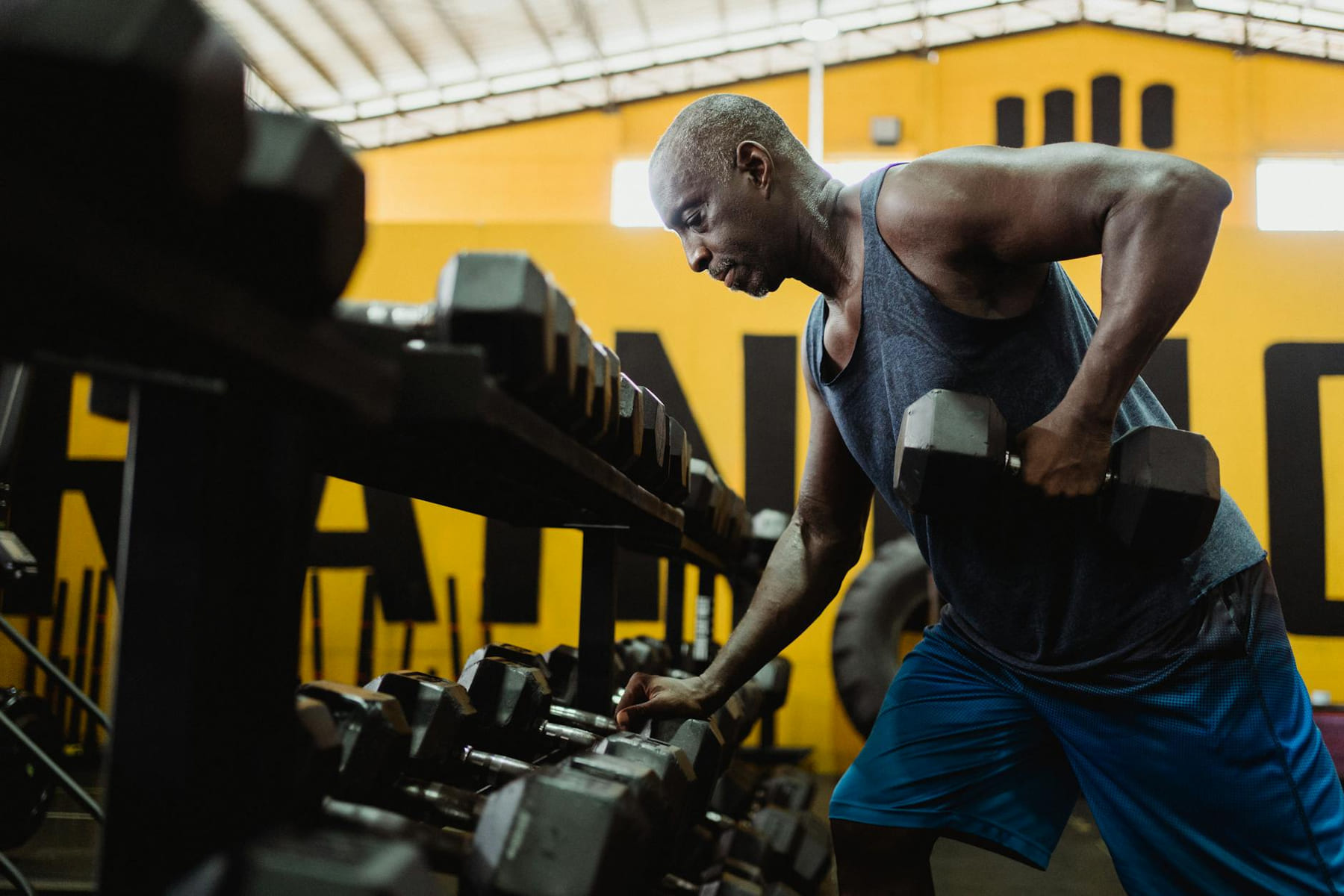
5 Days to Strength: A Beginner’s Split
deserves a little more room than a quick summary because most readers are trying to make a real decision, not just skim a few surface-leve...
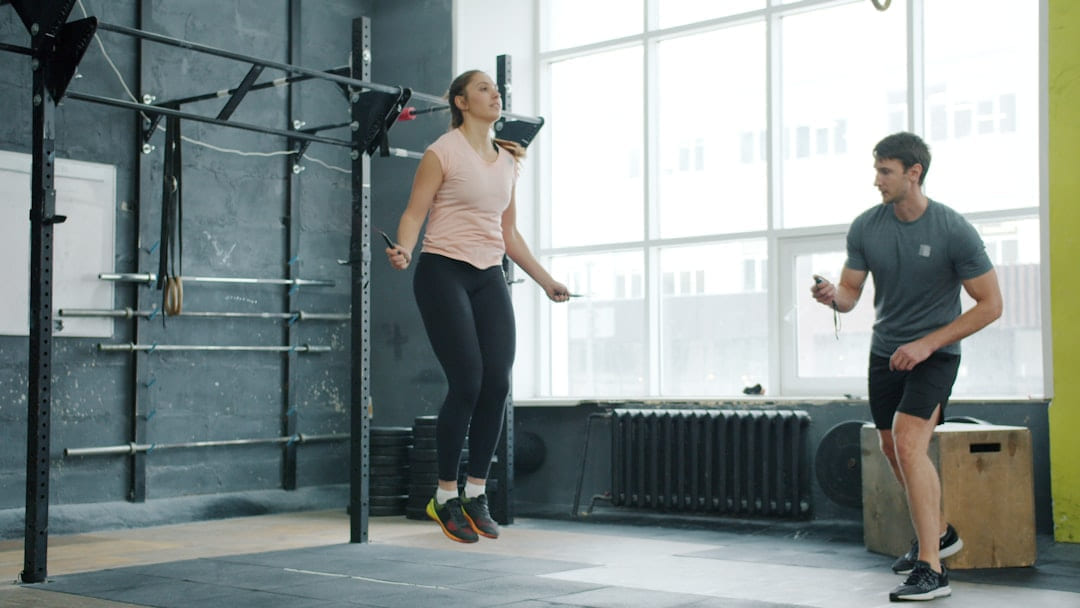
15-Minute Moves: Your First Step
is easier to make sense of when you break it down into the part that matters most first. Instead of chasing every option at once, it usually helps to focus on what.