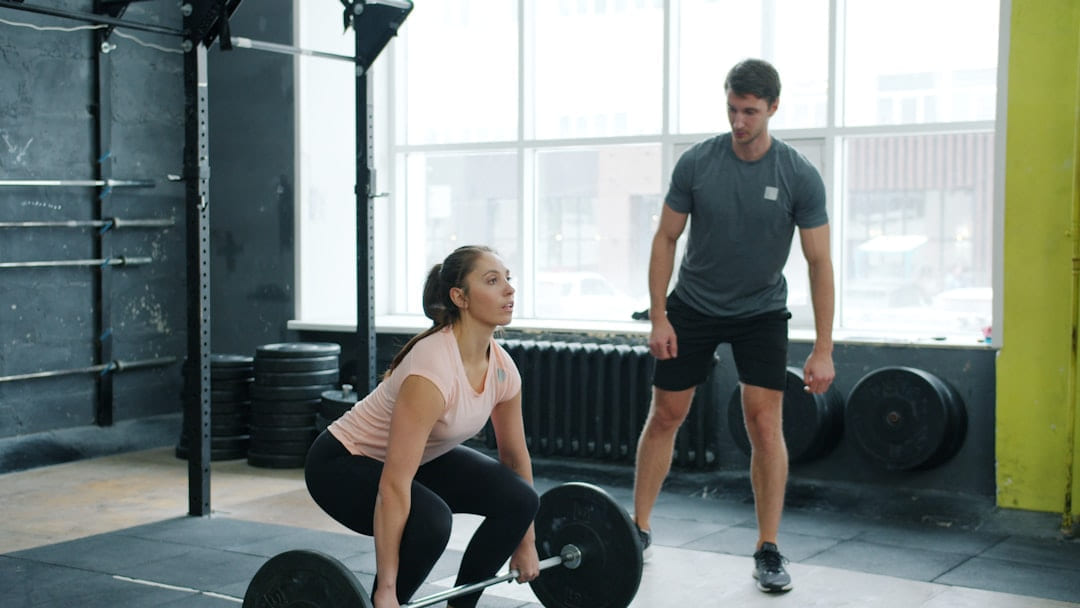
20 Minutes to Fit can be easier to approach when you start with a few practical basics.
- Leg Swings: Stand holding onto a wall or chair for balance. Swing one leg forward and backward, then sideways. (30 seconds per leg, per direction)
- Torso Twists: Stand with feet shoulder-width apart and gently twist your torso from side to side. (60 seconds)
- High Knees: Bring your knees up towards your chest, alternating legs. (60 seconds)
- Butt Kicks: Kick your heels up towards your glutes, alternating legs. (60 seconds) (Ideally, you’d have a quick GIF or image demonstrating each movement here - imagine a simple, clear visual aid.)
The 20-Minute Workout - Structure & Exercises (20 Minutes to Fit)
This workout is designed to be straightforward and adaptable. We’ll break it down into three parts: a 5-minute warm-up, a 15-minute workout, and a 5-minute cool-down. Let’s focus on the core 15 minutes. We’ll be working through a series of exercises that target major muscle groups. The goal isn’t to blast through every rep - quality is key. Listen to your body, and if something doesn't feel right, modify it. Here’s what we’ll be doing: * Squats: 3 sets of 8-12 reps. Stand with feet shoulder-width apart, lower your hips as if sitting in a chair, keeping your back straight. Modification: If a full squat is too challenging, try chair squats - sitting down and standing up from a chair.
- Push-ups: 3 sets of as many reps as possible (AMRAP). Start on your knees if needed. Focus on maintaining a straight line from head to heels (or knees).
- Plank: 3 sets, hold for 30-60 seconds. Maintain a straight line from head to heels, engaging your core. Modification: Start with shorter holds and gradually increase the time.
- Lunges: 3 sets of 10-12 reps per leg. Step forward with one leg, lowering your body until both knees are bent at 90 degrees. Modification: Shorter steps make it easier.
- Glute Bridges: 3 sets of 15-20 reps. Lie on your back with knees bent and feet flat on the floor. Lift your hips off the ground, squeezing your glutes at the top.
- Bird Dogs: 3 sets of 8-10 reps per side. Start on your hands and knees. Extend one arm and the opposite leg simultaneously, keeping your core engaged. Remember, these are just guidelines. Adjust the reps and sets based on your fitness level.
Form First - Mastering Technique
I can't stress this enough: proper form is always more important than speed or the number of reps. Poor form can lead to injuries, and it’s much less effective. Take a moment to watch yourself in a mirror or record yourself to check your technique. Here are a few common mistakes to watch out for: rounding your back during squats, letting your core collapse during planks, and not fully extending your leg during lunges. It’s better to do fewer reps with good form than more with bad form. There are some great short video clips demonstrating correct form for each exercise - you’ll find many on YouTube.
Cool-Down & Consistency
After your workout, it’s important to cool down and stretch. This helps to reduce muscle soreness and improve flexibility. Here’s a 5-minute static stretching routine: * Hamstring Stretch: Sit with legs extended and reach for your toes. (60 seconds)
- Quad Stretch: Stand and pull one heel towards your glutes, holding for 30 seconds per leg.
- Triceps Stretch: Reach one arm overhead and bend at the elbow, reaching down your back. Use your other hand to gently pull your elbow further. (60 seconds per arm)
- Chest Stretch: Interlace your fingers behind your back and straighten your arms, lifting your chest. (60 seconds) Consistency is key. Even short, regular workouts are more effective than sporadic, intense ones. Try scheduling your 20-minute workout into your week and treating it like any other important appointment.
Focus on the part that solves the problem
In a topic like Beginner Fitness, the strongest starting point is usually the one you will notice and use right away. That is often more helpful than adding extra features too early.
Before spending more, it is worth checking the setup, upkeep, and learning curve. Small hassles matter here because they are usually what decide whether something stays useful or gets ignored.
It is easy to underestimate how much clarity comes from removing one unnecessary layer. In practice, trimming one complication often does more for 20 Minutes to Fit: Your Beginner Workout than adding one more feature, one more product, or one more clever workaround.
Where extra features get in the way
Another easy trap is copying a setup that made sense for someone with a different routine, budget, or tolerance for maintenance. In Beginner Fitness, that mismatch is often what makes a promising idea feel frustrating later.
A lot of options sound great until you picture them in a normal week. If the setup is fussy, the routine is easy to forget, or the maintenance is annoying, the appeal fades quickly.
There is also value in keeping one part of the process deliberately simple. Readers often do better when they identify the one decision that carries the most weight and make that choice carefully before they chase smaller optimizations. That keeps momentum steady and usually prevents the topic from turning into clutter.
What makes the choice hold up
A better approach is to break 20 Minutes to Fit: Your Beginner Workout into smaller decisions and solve the highest-friction part first. Testing one practical change usually teaches more than trying to perfect everything in a single pass.
Leave a little room to adjust as you go. A setup that works in one budget range, season, or routine might need a small change later, and that is usually normal rather than a sign you got it wrong.
If this topic still feels crowded or overcomplicated, that is usually a sign to narrow the decision, not a sign that you need more noise. One careful adjustment, followed by honest observation, tends to teach more than another round of abstract tips.
How to keep the routine manageable
A grounded next step is usually better than a dramatic one. Pick one realistic change, see how it works in normal life, and let that result guide the next decision.
The version that holds up best is usually the one you can live with on an ordinary day. That often matters more than the version that only feels good when you have extra time, energy, or money.
That is why the best next step is often a modest one with a clear upside. You want something specific enough to act on, flexible enough to adjust, and practical enough that you would still recommend it after the first burst of enthusiasm fades.
Conclusion
This 20-minute workout is a fantastic starting point for anyone looking to build a sustainable fitness routine. The “First Rep Forward” philosophy is about taking that first step, focusing on consistency, and celebrating every small victory. Don't get caught up in comparing yourself to others - just focus on moving your body and feeling good. Start small, build momentum, and you’ll be amazed at the positive changes you experience. Ready to start your fitness journey today? --- (Disclaimer: Before starting any new exercise program, consult with your healthcare provider.)
Keep This Practical
The best beginner-fitness move is usually a manageable one. Focus on form, recovery, and showing up again rather than trying to prove too much in a single session.
Tools Worth A Look
The recommendations here are best for readers who want practical fitness support rather than complicated programming.
- JIN BD Wrist Trainer Ball Auto-Start Gyroscopic Forearm Exerciser Gyro Ball for Strengthen Arms, Fingers, Grip and Muscles5-Minute Core Exercise Cards for Seniors: Daily Routines to Build Balance and Boost ConfidenceKUTIZE Pilates Bar Kit with Resistance Bands, Heavy Duty Pilates Equipment for Men, Training BandsAdjustable Height Aerobic Stepper Set, Multiple Bundle Options with DumbbellsRedify Weighted Jump Rope for Workout Fitness(1LB), Tangle-Free Ball Bearing Rapid Speed Skipping Rope for MMA Boxing Weight-loss
Some of the links on this page are Amazon affiliate links, which means I may earn a small commission if you make a purchase through them. As an Amazon Associate, I earn from qualifying purchases.
Related ReadingMore from First Rep Forward
5-Day Workout Split: Beginner FAQs Explained
Here’s a sample schedule. Remember, this is just a template - adjust it based on your fitness level, equipment access, and personal preferences. Proper form is.
5 Days to Strength: A Beginner’s Split
deserves a little more room than a quick summary because most readers are trying to make a real decision, not just skim a few surface-leve...
15-Minute Moves: Your First Step
is easier to make sense of when you break it down into the part that matters most first. Instead of chasing every option at once, it usually helps to focus on what.