
Workout Checklist can be easier to approach when you start with a few practical basics.
- Leg Swings: Hold onto a wall or chair for balance, and swing one leg forward and backward - 30 seconds per leg.
- Torso Twists: Gentle twists from side to side, keeping your core engaged - 60 seconds.
- Modified High Knees: March in place, bringing your knees up towards your chest - 60 seconds. Cardio (7 minutes): Time to get your heart rate up a little! You don’t need to run a marathon - even low-impact cardio can make a difference. * Marching in Place: Lift your knees high and pump your arms - 7 minutes.
- Step Touches: Step to the side with one foot, bringing the other foot to meet it - 7 minutes.
- Modified Jumping Jacks: If jumping feels too much, simply raise your arms overhead and step your feet out to the sides - 7 minutes. Strength Training (6 minutes): Building a little muscle strength is a fantastic addition to any routine. These bodyweight exercises require no equipment. * Squats: Stand with your feet shoulder-width apart, lower your hips as if sitting in a chair, and return to standing - 60 seconds. *Tip:* If full squats are tough, do partial squats.
- Wall Push-ups: Stand facing a wall, place your hands on the wall at shoulder height, and lean in, bending your elbows. Push back to the starting position - 60 seconds. *Easier Option:* The further away you stand from the wall, the easier it gets.
- Plank: Hold a straight line from head to heels, engaging your core muscles - 60 seconds. *Easier Option:* Hold the plank on your forearms if a full plank is too challenging. Cool-Down (2 minutes): Don’t just stop! Cooling down helps your muscles recover and reduces soreness. * Hamstring Stretch: Sit on the floor with one leg extended and reach for your toes - 30 seconds per leg.
- Quadriceps Stretch: Standing, hold one foot behind you and gently pull it towards your glutes - 30 seconds per leg.
- Triceps Stretch: Reach one arm overhead and bend your elbow, bringing your hand towards your upper back. Use your other hand to gently pull your elbow further - 30 seconds per arm.
Making it Your Own: Modifications & Progression (Workout Checklist)
- Regressions: If an exercise feels too hard, scale it back. For example, instead of a full push-up, do wall push-ups. Instead of a full squat, do partial squats.
- Progressions: As you get stronger, you can make the exercises more challenging. Try incline push-ups (hands elevated on a chair or bench), or add a jump to your squats.
Gear - You Don’t Need Much
Seriously, you don’t need anything fancy to get started. A 20-minute workout can be done with just your bodyweight. but if you’re looking to add a little extra resistance or variety, a few inexpensive tools can be helpful. Resistance bands are incredibly versatile and can be used to target specific muscle groups. Adjustable dumbbells are another good investment - they allow you to gradually increase the weight as you get stronger. These are just examples - the core of the workout remains the same.
Building a Habit: Consistency & Tracking
Starting is the hardest part. Once you’ve established a routine, consistency is key. Aim to work out 3-4 times per week. Schedule your workouts like you would any other important appointment. And don’t worry about being perfect - some days you’ll have more energy than others. Just do something. Tracking your progress, even in a simple way (a checkmark in a notebook or a note on your phone), can be a powerful motivator. It’s a tangible reminder of how far you’ve come.
Pick the easiest win first
Most people get better results with 20-Minute Start: Your Beginner Workout Checklist when they narrow the decision to one real problem. That could be saving time, trimming cost, reducing friction, or making the routine easier to keep up.
This usually gets easier once you make a short list of priorities. A tighter list tends to produce better decisions than trying to solve every possible problem at once.
Another useful filter is asking what you would still recommend if the budget got tighter, the schedule got busier, or the setup had to be easier for someone else to manage. The answers to that question usually reveal which advice is durable and which advice only works under ideal conditions.
The tradeoff most people notice late
One common mistake with 20-Minute Start: Your Beginner Workout Checklist is expecting every option to solve the whole problem. In reality, some choices are better for convenience, some for reliability, and some simply for keeping the budget under control.
Before spending more, it is worth checking the setup, upkeep, and learning curve. Small hassles matter here because they are usually what decide whether something stays useful or gets ignored.
It is easy to underestimate how much clarity comes from removing one unnecessary layer. In practice, trimming one complication often does more for 20-Minute Start: Your Beginner Workout Checklist than adding one more feature, one more product, or one more clever workaround.
What makes this easier to live with
The options that age well are usually the ones that are easy to repeat. Reliability and low hassle often matter more than the most impressive-looking feature list.
In a topic like Beginner Fitness, manageable almost always beats impressive. If something is simple enough to keep using, it is usually doing more real work for you.
Readers usually get better results when they treat advice as something to test and refine, not something to obey perfectly. That mindset creates room for real judgment, which is often the difference between content that sounds smart and guidance that is actually useful.
How to avoid extra hassle
When you are deciding what to do next, aim for the option that reduces friction and gives you a clearer read on what matters most. That is usually how 20-Minute Start: Your Beginner Workout Checklist becomes more useful instead of more complicated.
Leave a little room to adjust as you go. A setup that works in one budget range, season, or routine might need a small change later, and that is usually normal rather than a sign you got it wrong.
If this topic still feels crowded or overcomplicated, that is usually a sign to narrow the decision, not a sign that you need more noise. One careful adjustment, followed by honest observation, tends to teach more than another round of abstract tips.
Conclusion
Creating a sustainable fitness routine doesn’t have to feel overwhelming. This 20-minute workout checklist provides a solid foundation for building strength, improving your cardiovascular health, and boosting your overall well-being. Start small, be patient with yourself, and celebrate your progress along the way. Ready to get started? Take this checklist and create your own personalized plan today. You’ll be surprised at how quickly you feel the benefits.
Keep This Practical
A strong routine is built through repeatable effort, not one perfect week. Choose the next workout or habit that feels sustainable, then protect it long enough to become normal.
Tools Worth A Look
These picks are most relevant if you want simple equipment or supports that make the next workout easier to repeat.
- THERABAND Resistance Bands Set, Beginner Kit, Yellow, Red, Green, Latex Elastic Bands for Exercise & Physical Therapy, Strength Training BandsYoga Fitness for Men: Build Strength, Improve Performance, and Increase FlexibilityFlexies Pilates Workout CardsCalisthenics for BeginnersCalisthenics for Beginners: Step-by-Step Workouts to Build Strength at Any Fitness Level
Some of the links on this page are Amazon affiliate links, which means I may earn a small commission if you make a purchase through them. As an Amazon Associate, I earn from qualifying purchases.
Related ReadingMore from First Rep Forward
5-Day Workout Split: Beginner FAQs Explained
Here’s a sample schedule. Remember, this is just a template - adjust it based on your fitness level, equipment access, and personal preferences. Proper form is.
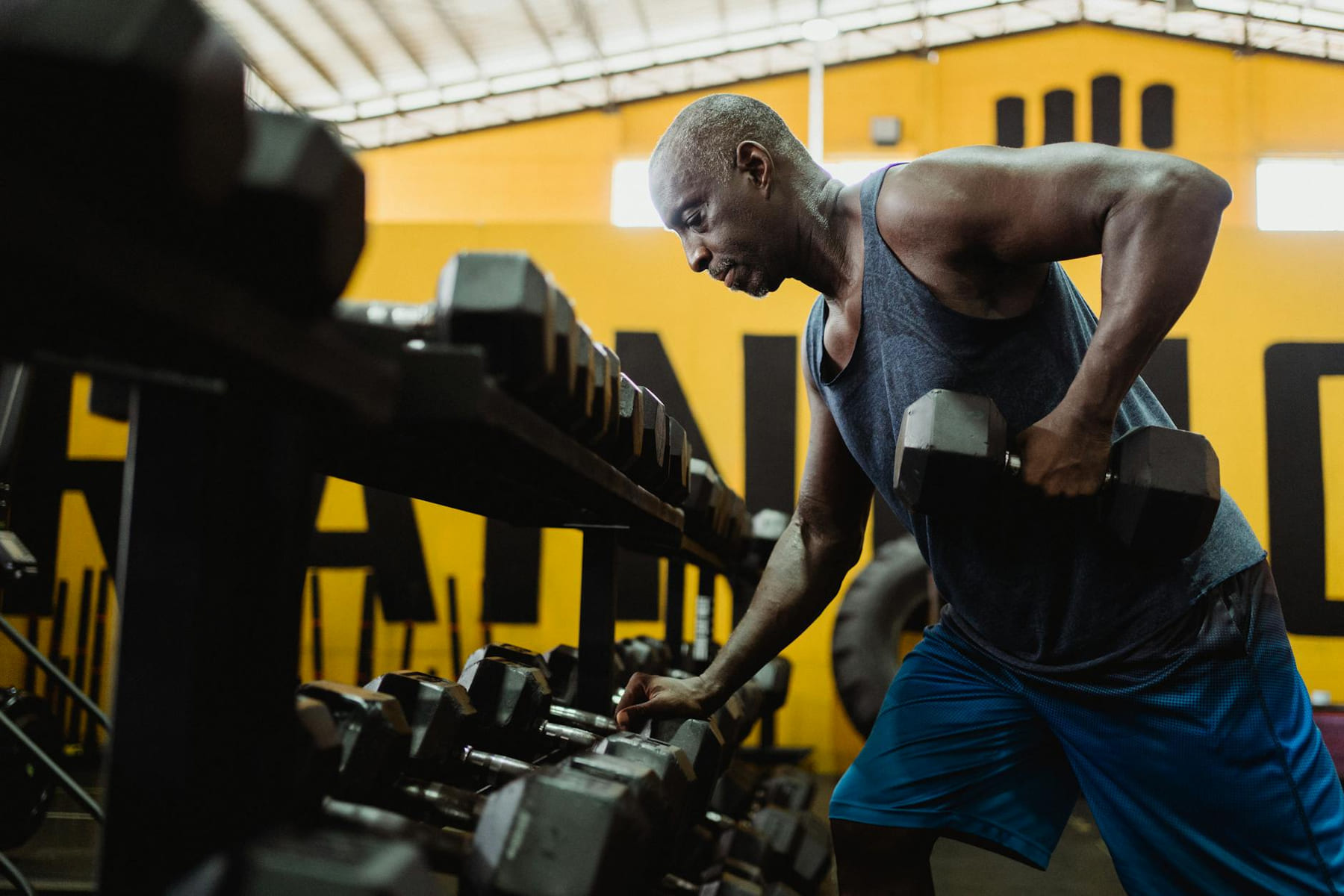
5 Days to Strength: A Beginner’s Split
deserves a little more room than a quick summary because most readers are trying to make a real decision, not just skim a few surface-leve...
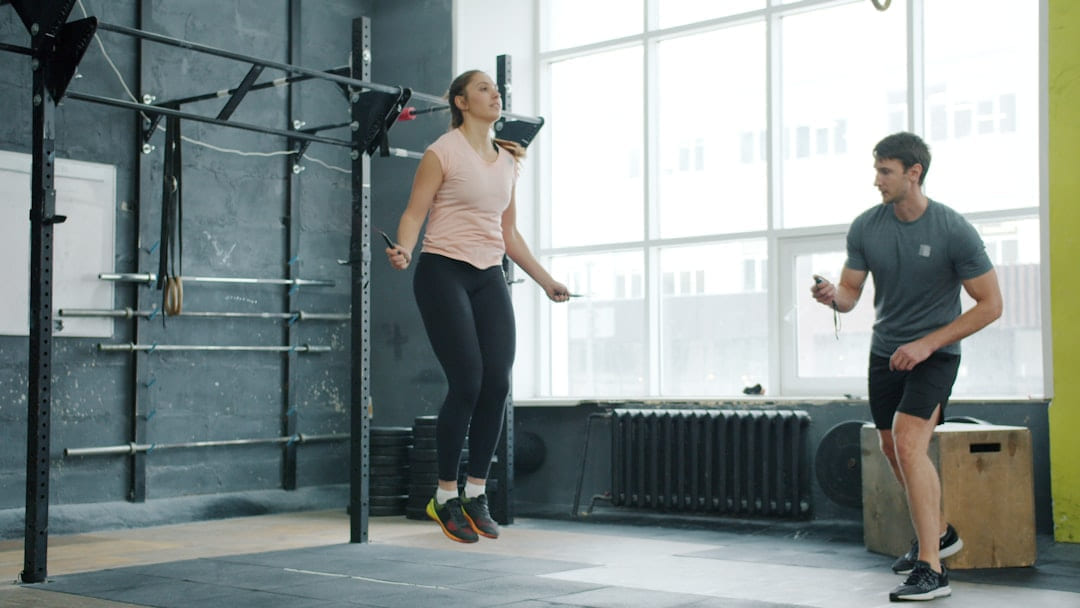
15-Minute Moves: Your First Step
is easier to make sense of when you break it down into the part that matters most first. Instead of chasing every option at once, it usually helps to focus on what.