
20-Minute can be easier to approach when you start with a few practical basics.
- Leg Swings: Stand holding onto a wall or chair for balance. Swing one leg forward and backward, then side to side. Again, keep it controlled and fluid.
- Torso Twists: Stand with your feet shoulder-width apart and gently twist your torso from side to side. Keep your core engaged.
- High Knees (Modified): If you’re feeling up to it, bring your knees up towards your chest, alternating legs. If that’s too much, simply marching in place with high knees is perfectly fine. I’d recommend grabbing a quick image or GIF showing these movements - it really helps to visualize the correct form. Just a quick search will turn up plenty of helpful visuals.
The 20-Minute Circuit - Let’s Move! (15-17 Minutes)
This workout is based on a circuit: you’ll perform each exercise for a set amount of time (or reps, as noted), then rest briefly before moving on to the next. We’re aiming for a work-to-rest ratio of about 45 seconds of work followed by 15 seconds of rest. This keeps your heart rate up without completely exhausting you. Here’s what we’ll do: 1. Bodyweight Squats: Stand with your feet shoulder-width apart. Lower your hips as if you’re sitting in a chair, keeping your back straight and your core engaged. Don’t let your knees go past your toes. Aim for 10-12 reps. 2. Push-Ups (Modified): If a full push-up feels too challenging, that’s perfectly okay! Start on your knees. The goal is to keep your body in a straight line from head to knees. Lower your chest towards the floor, then push back up. Try for 8-10 reps. 3. Resistance Band Rows: You'll need a resistance band for this one. Sit on the floor with your legs extended and the band looped around your feet. Hold the ends of the band and pull them towards your chest, squeezing your shoulder blades together. 12-15 reps. 4. Plank: Get into a push-up position, but rest on your forearms instead of your hands. Keep your body in a straight line from head to heels. Hold this position for 30-60 seconds. (Start with 30 if that feels good, and gradually increase the time.) Repeat this circuit 3-4 times. That’s your 20 minutes!
Form First: It’s Not About How Many, It’s About How You Do It
- Use a Mirror: Seriously, look at yourself! It’s a simple way to check your alignment and ensure you’re engaging the right muscles.
- Record Yourself: Even better than a mirror is recording yourself doing the exercises. It’s often easier to spot mistakes on video.
- Focus on Engagement: Think about which muscles are supposed to be working. For example, when you’re squatting, squeeze your glutes at the top of the movement. When you’re doing a plank, engage your core to prevent your lower back from sagging. Let’s break down the key cues for each exercise:
- Squats: Keep your back straight - imagine a string pulling you upwards from the crown of your head. Your knees should track over your toes.
- Push-Ups: Keep your elbows at a 45-degree angle to your body. Don’t let your hips sag.
- Resistance Band Rows: Squeeze your shoulder blades together as you pull the band towards your chest. Don’t use your arms to just pull; engage your back muscles.
- Plank: Maintain a straight line from head to heels. Avoid letting your hips drop or rise.
Starting Smart: Best Practices for Newbies
Okay, you’ve got the workout. Now, let’s talk about how to make it sustainable and effective.
- Start Light: Don’t feel like you need to immediately load up on heavy weights or resistance bands. Start with lighter options and gradually increase the intensity as you get stronger.
- Controlled Movements: This is huge. Don’t rush through the exercises. Focus on performing each movement slowly and deliberately. It's better to do fewer reps with good form than many reps with poor form.
- Listen to Your Body: Seriously, listen. If you feel pain, stop. Don’t push through it. Modify the exercise or take a break. Rest days are important too!
- Hydration is Key: Drink plenty of water before, during, and after your workout.
Cool Down & Setting Yourself Up for Success (100 words)
Don’t just stop abruptly after your 20 minutes. Taking a few minutes to cool down helps your muscles recover and reduces soreness.
- Static Stretching: Hold each stretch for 30 seconds. Some good options include hamstring stretches, quad stretches, and triceps stretches.
- Progression: This isn’t a sprint; it’s a marathon. Once you’re comfortable with this workout, gradually increase the challenge. You can add more reps, sets, or increase the resistance. You can also shorten your rest periods.
Start with what you will actually use
With 20-Minute Start: Beginner Workout Basics, the first question is usually not which option looks best on paper. It is which part will make day-to-day life easier, smoother, or cheaper once the novelty wears off.
A lot of options sound great until you picture them in a normal week. If the setup is fussy, the routine is easy to forget, or the maintenance is annoying, the appeal fades quickly.
There is also value in keeping one part of the process deliberately simple. Readers often do better when they identify the one decision that carries the most weight and make that choice carefully before they chase smaller optimizations. That keeps momentum steady and usually prevents the topic from turning into clutter.
What tends to get overlooked
Tradeoffs are normal here. Cost, convenience, upkeep, and flexibility do not always line up neatly, so it helps to decide which tradeoff matters least to you before you commit.
This usually gets easier once you make a short list of priorities. A tighter list tends to produce better decisions than trying to solve every possible problem at once.
Another useful filter is asking what you would still recommend if the budget got tighter, the schedule got busier, or the setup had to be easier for someone else to manage. The answers to that question usually reveal which advice is durable and which advice only works under ideal conditions.
Wrapping Up: Consistency is King
You’ve got a solid 20-minute workout routine. That’s a fantastic first step. But remember, building a fitness habit is about consistency. Aim for at least 3 workouts per week. It’s better to do a little bit regularly than to do a lot sporadically. And don’t get discouraged if you miss a day - just get back on track the next day. Ready to take things to the next level? We have a digital guide packed with more detailed workout variations and tips available now. the recommendations below --- Disclaimer: Before starting any new exercise program, consult with your healthcare provider.
Keep This Practical
The best beginner-fitness move is usually a manageable one. Focus on form, recovery, and showing up again rather than trying to prove too much in a single session.
Tools Worth A Look
The recommendations here are best for readers who want practical fitness support rather than complicated programming.
- HPYGN Jump Rope, Weighted Jump Rope for Men women, 2.8lb 3.8lb 5lb Heavy Skipping Rope for Exercise, AdultHello New Me: A Daily Food and Exercise Journal to Help You Become the Best Version of Yourself, (90 Days Meal and Activity Tracker)Barbell and Dumbbell Training: A Weight Training Guide For Strength and FitnessBooty Bands for Women Glutes and Hip Building,BFR Bundle Booty BandsTwister Arm Trainer, 30-120 lbs Adjustable Twister Arm Chest Exerciser with 4 Spring & Poster for Men & Women, Detachable Power Twister Home Fitness
Some of the links on this page are Amazon affiliate links, which means I may earn a small commission if you make a purchase through them. As an Amazon Associate, I earn from qualifying purchases.
Related ReadingMore from First Rep Forward
5-Day Workout Split: Beginner FAQs Explained
Here’s a sample schedule. Remember, this is just a template - adjust it based on your fitness level, equipment access, and personal preferences. Proper form is.
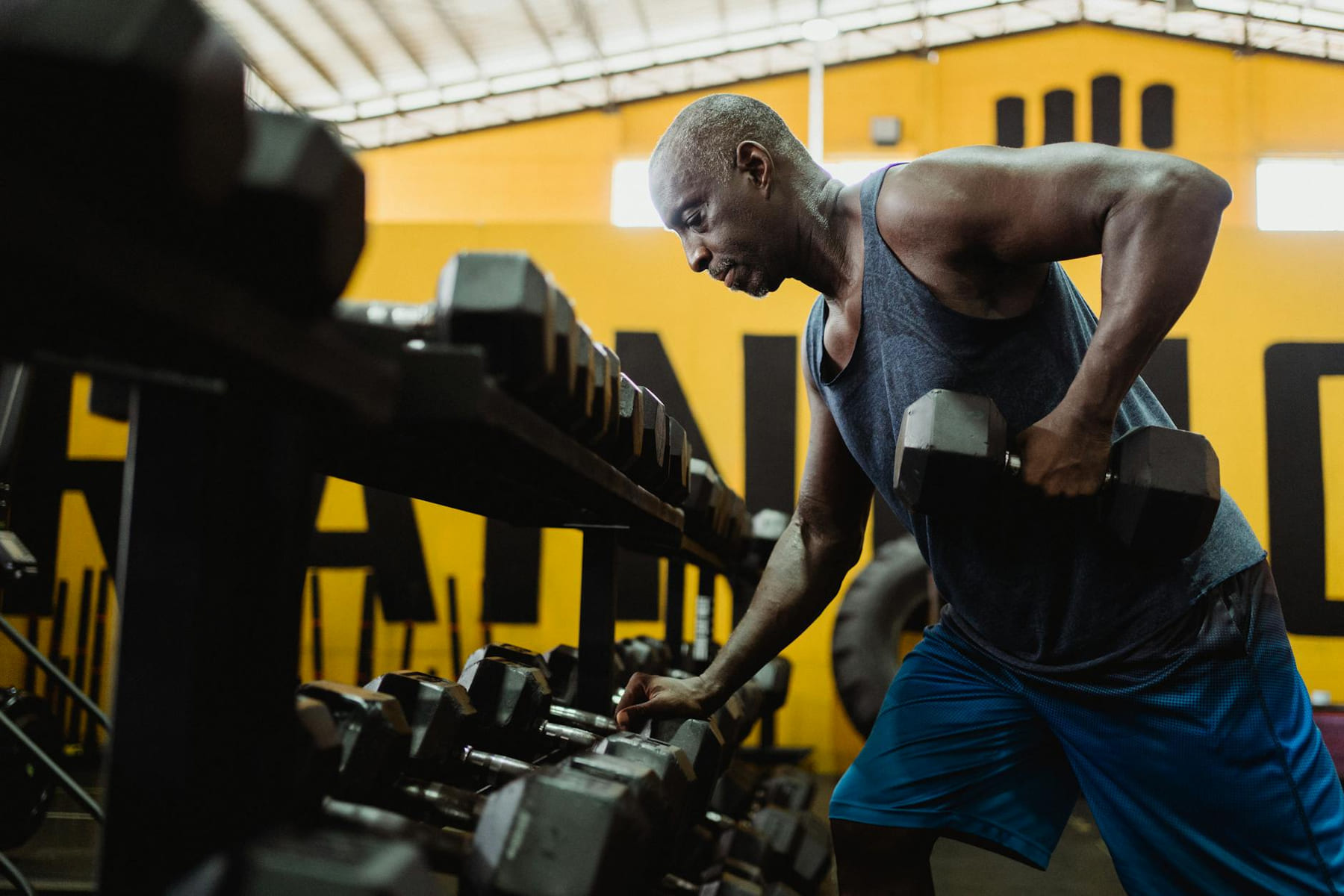
5 Days to Strength: A Beginner’s Split
deserves a little more room than a quick summary because most readers are trying to make a real decision, not just skim a few surface-leve...
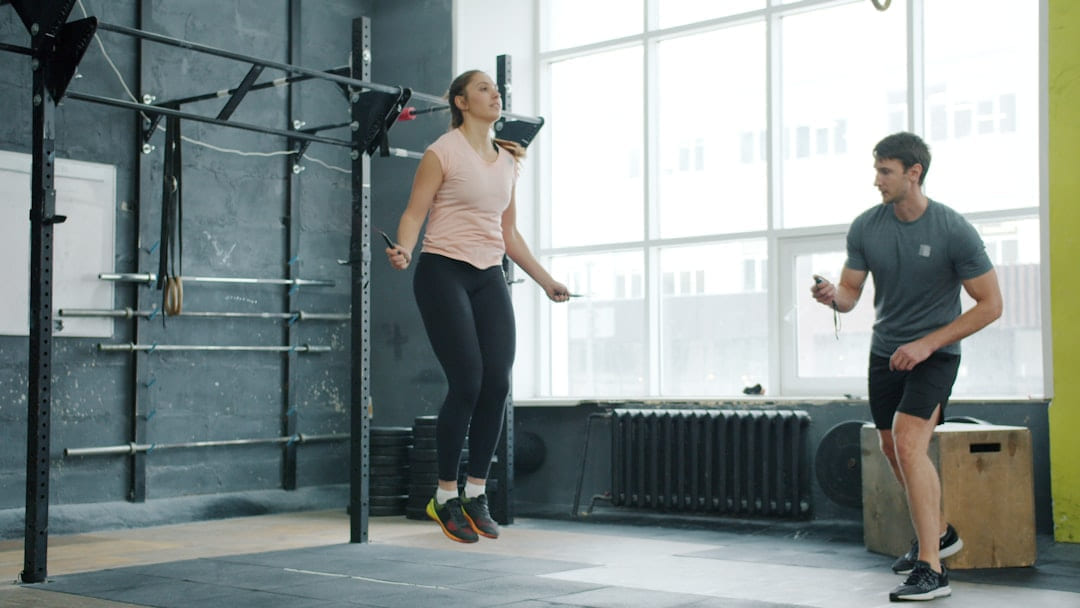
15-Minute Moves: Your First Step
is easier to make sense of when you break it down into the part that matters most first. Instead of chasing every option at once, it usually helps to focus on what.