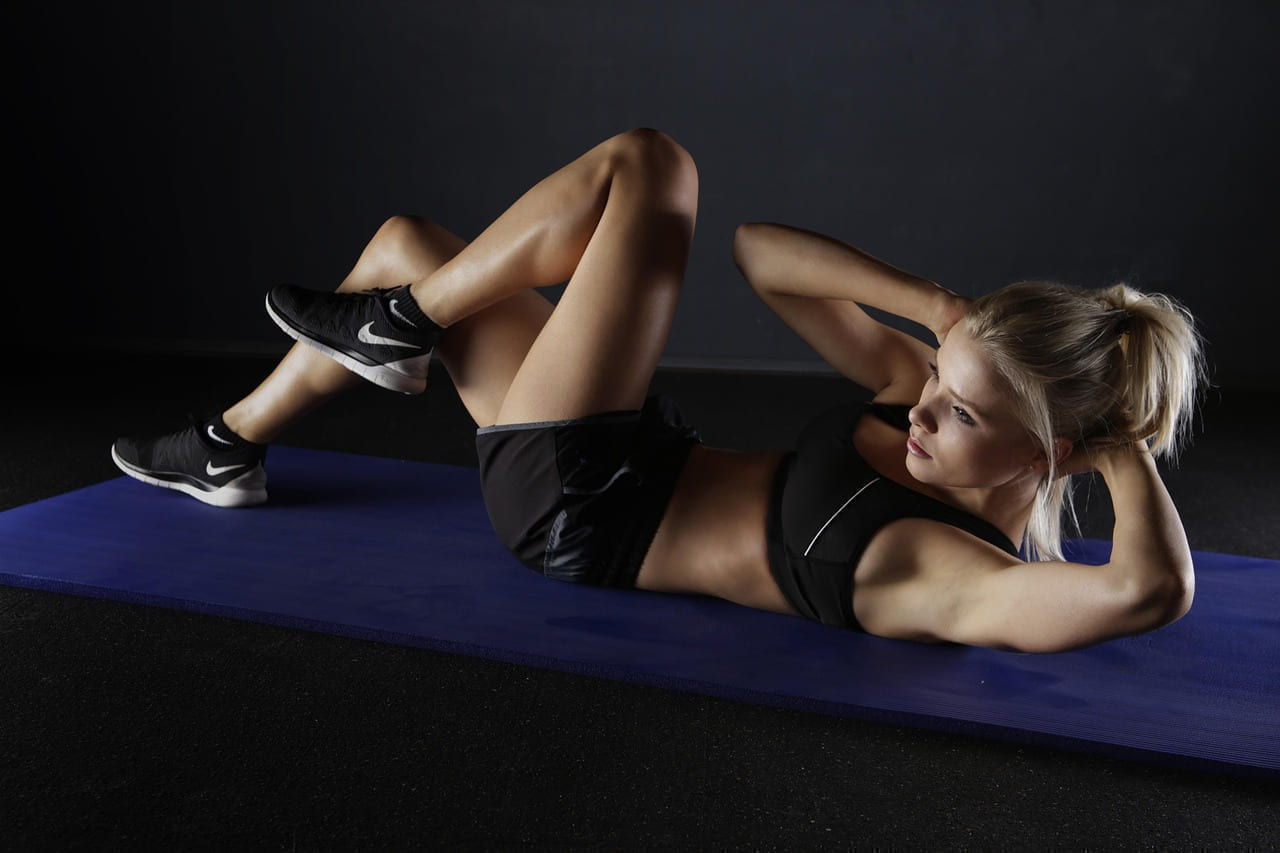
(Replace placeholder_workout_image.jpg with an actual image of someone doing a simple workout.)
What is a 15-Minute Workout for Beginners?
A 15-minute workout isn’t about pushing yourself to your absolute limit. It’s about consistency. It’s about establishing a routine and proving to yourself that you can make time for fitness. This type of workout is perfect for busy schedules, those new to exercise, or anyone who needs a quick and effective way to get moving. It focuses on a combination of cardio, strength training, and flexibility, all designed to be completed in a short burst.
The beauty of a 15-minute workout is its adaptability. You can tailor it to your fitness level and available equipment. You don’t need a gym membership or fancy workout gear. A comfortable space, some water, and a willingness to try are all you need to get started.
The Basic 15-Minute Workout Structure
Here’s a sample structure you can use as a foundation. Remember, this is just a guideline - feel free to adjust it based on your preferences and needs. We’ll break it down into timed segments:
- Warm-up (2-3 minutes): Light cardio like marching in place, arm circles, leg swings, and torso twists. This prepares your muscles for activity and reduces the risk of injury.
- Cardio (5-7 minutes): Choose an activity you enjoy! This could be jumping jacks, high knees, butt kicks, running in place, brisk walking, or dancing. Focus on maintaining a moderate intensity - you should be able to talk, but with some effort.
- Strength Training (4-5 minutes): Bodyweight exercises are ideal for beginners. Include exercises like squats, push-ups (modified on your knees if needed), lunges, planks, and glute bridges. Aim for 30-60 seconds per exercise, with short rests in between.
- Cool-down & Flexibility (2-3 minutes): Static stretches, holding each stretch for 30 seconds. Focus on major muscle groups - hamstrings, quads, calves, chest, and shoulders.
15 Minute Workout for Beginners FAQ
Let’s tackle some frequently asked questions about this workout:
Q: What if I’m completely new to exercise?
A: That’s perfectly okay! Start very slowly. You can modify almost every exercise to make it easier. For example, do push-ups on your knees, or shorten the duration of each exercise. The goal is to build a foundation of movement and get comfortable with the basic motions. Don’t worry about doing them perfectly - focus on form and consistency.
Q: Do I need any equipment?
A: Absolutely not! This workout is designed to be done with just your bodyweight. However, if you want to add variety, you could incorporate items like resistance bands, dumbbells, or a yoga mat. But starting with nothing is perfectly fine.
Q: How often should I do this workout?
A: Consistency is key! Aim for 3-5 times per week. Even a short workout is better than no workout. Listen to your body and take rest days when needed. Building a habit takes time, so be patient with yourself.
Q: What if I get bored?
A: Boredom is a common challenge! Here are a few ways to combat it:
- Change up the cardio activity: Swap jumping jacks for high knees, or running in place for dancing.
- Modify the strength exercises: Try different variations of squats or lunges.
- Create a playlist: Music can be a huge motivator!
- Workout with a friend: Accountability can make a big difference.
Q: How do I know if I’m doing the exercises correctly?
A: Proper form is crucial to prevent injuries. Watch videos of each exercise to ensure you’re performing them correctly. If possible, record yourself and compare your form to instructional videos. If you're unsure, consider consulting with a certified personal trainer for guidance.
Q: Can I modify this workout for different fitness levels?
A: Absolutely!
- Beginner: Reduce the duration of each exercise, take longer rests between sets, and focus on mastering the basic movements.
- Intermediate: Increase the duration of each exercise, shorten the rest periods, and add resistance (e.g., using resistance bands).
- Advanced: Increase the intensity of the cardio, add more challenging strength exercises (e.g., plyometrics), and decrease rest periods.
Focus on the part that solves the problem
In a topic like Beginner Fitness, the strongest starting point is usually the one you will notice and use right away. That is often more helpful than adding extra features too early.
Before spending more, it is worth checking the setup, upkeep, and learning curve. Small hassles matter here because they are usually what decide whether something stays useful or gets ignored.
It is easy to underestimate how much clarity comes from removing one unnecessary layer. In practice, trimming one complication often does more for 15-Minute Workouts: Your Beginner FAQs than adding one more feature, one more product, or one more clever workaround.
Where extra features get in the way
Another easy trap is copying a setup that made sense for someone with a different routine, budget, or tolerance for maintenance. In Beginner Fitness, that mismatch is often what makes a promising idea feel frustrating later.
A lot of options sound great until you picture them in a normal week. If the setup is fussy, the routine is easy to forget, or the maintenance is annoying, the appeal fades quickly.
There is also value in keeping one part of the process deliberately simple. Readers often do better when they identify the one decision that carries the most weight and make that choice carefully before they chase smaller optimizations. That keeps momentum steady and usually prevents the topic from turning into clutter.
What makes the choice hold up
A better approach is to break 15-Minute Workouts: Your Beginner FAQs into smaller decisions and solve the highest-friction part first. Testing one practical change usually teaches more than trying to perfect everything in a single pass.
Leave a little room to adjust as you go. A setup that works in one budget range, season, or routine might need a small change later, and that is usually normal rather than a sign you got it wrong.
If this topic still feels crowded or overcomplicated, that is usually a sign to narrow the decision, not a sign that you need more noise. One careful adjustment, followed by honest observation, tends to teach more than another round of abstract tips.
Keep This Practical
Training gets easier when the next step feels clear enough to repeat. Pick the version of the workout you can actually complete this week, and let consistency build the confidence.
Tools Worth A Look
If consistency is the real goal, the products below line up with beginner-friendly training and recovery habits.
- KUTIZE Pilates Bar Kit with Resistance Bands, Heavy Duty Pilates Equipment for Men, Training BandsAnkle Resistance Bands with Cuffs, Ankle Bands for Working OutSunny Health & Fitness Premium Smart Cross-Training Fan Bike, Air Resistance Cardio Machine w/330lb Capacity for Intensive Home WorkoutResistance band Training: A Resistance Bands Book For Exercise At Home Or On The Go
Some of the links on this page are Amazon affiliate links, which means I may earn a small commission if you make a purchase through them. As an Amazon Associate, I earn from qualifying purchases.
Related ReadingMore from First Rep Forward
Start Strong: Your First Bodyweight Moves
Bodyweight training utilizes your own body as resistance. This makes it accessible to almost everyone, regardless of fitness level. It’s fantastic for building.
30-Min Workouts: Beginner Fixes
30 Minute Workout for Beginners: Troubleshooting & Building a Sustainable Routine 30 Minute Workout for Beginners: Troubleshooting & Building a Sustainable Routine.
15-Minute Workouts: Beginner Mistakes
The options that age well are usually the ones that are easy to repeat. Reliability and low hassle often matter more than the most impressive-looking feature list.
%0A%0Ahttps%3A%2F%2Ffirst-rep-forward.ideahub.blog%2Farticles%2F15-minute-workouts-your-beginner-faqs%2F)